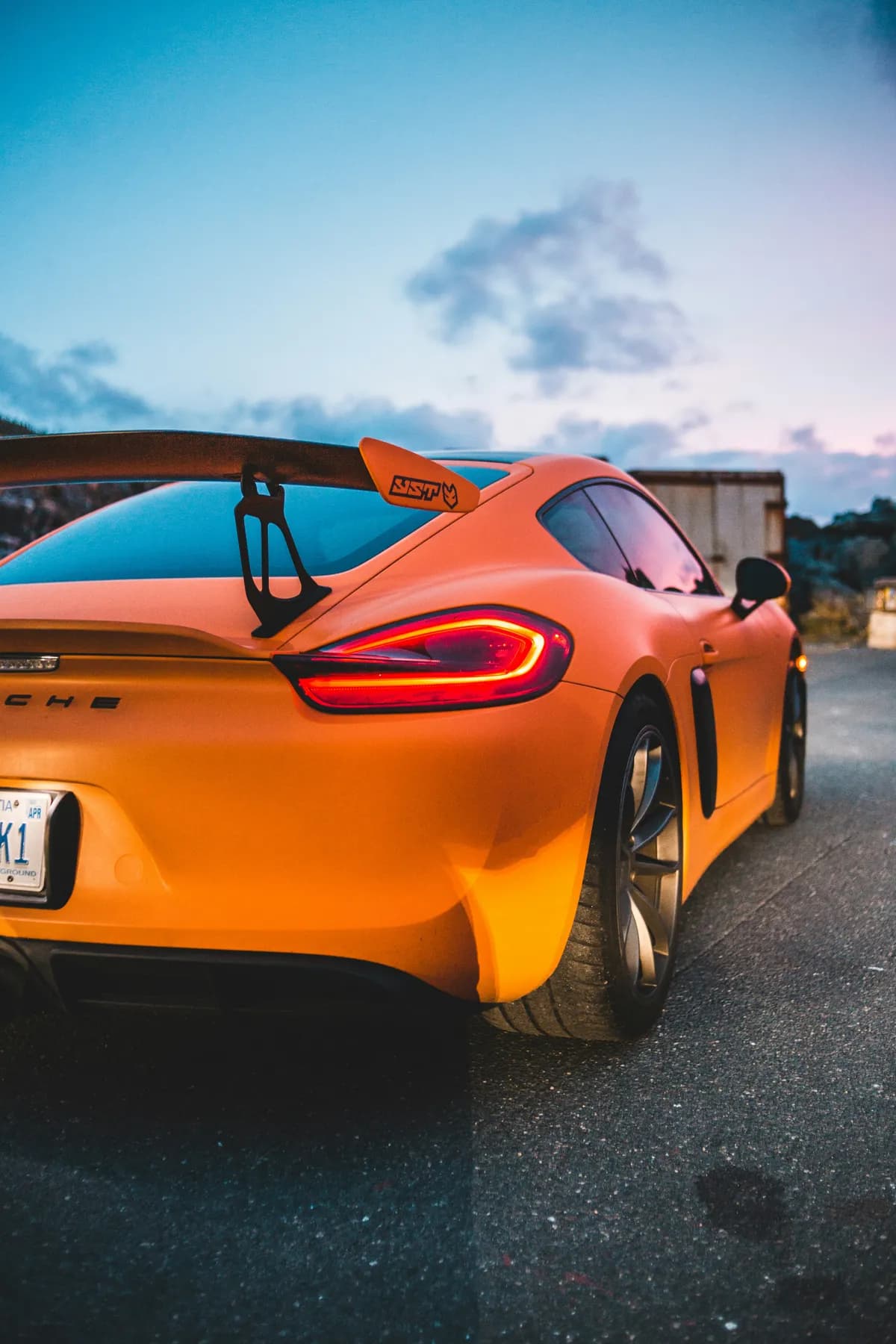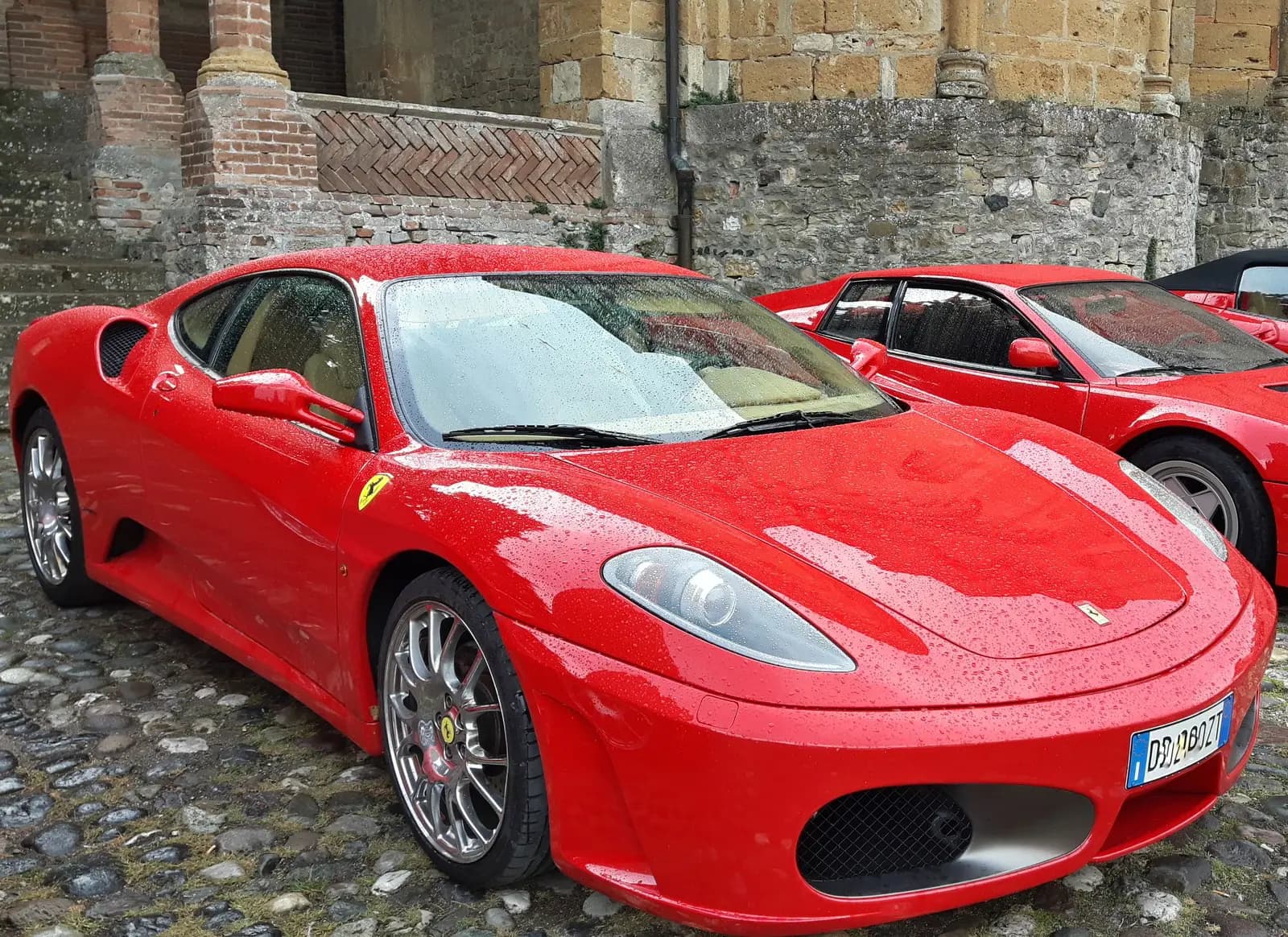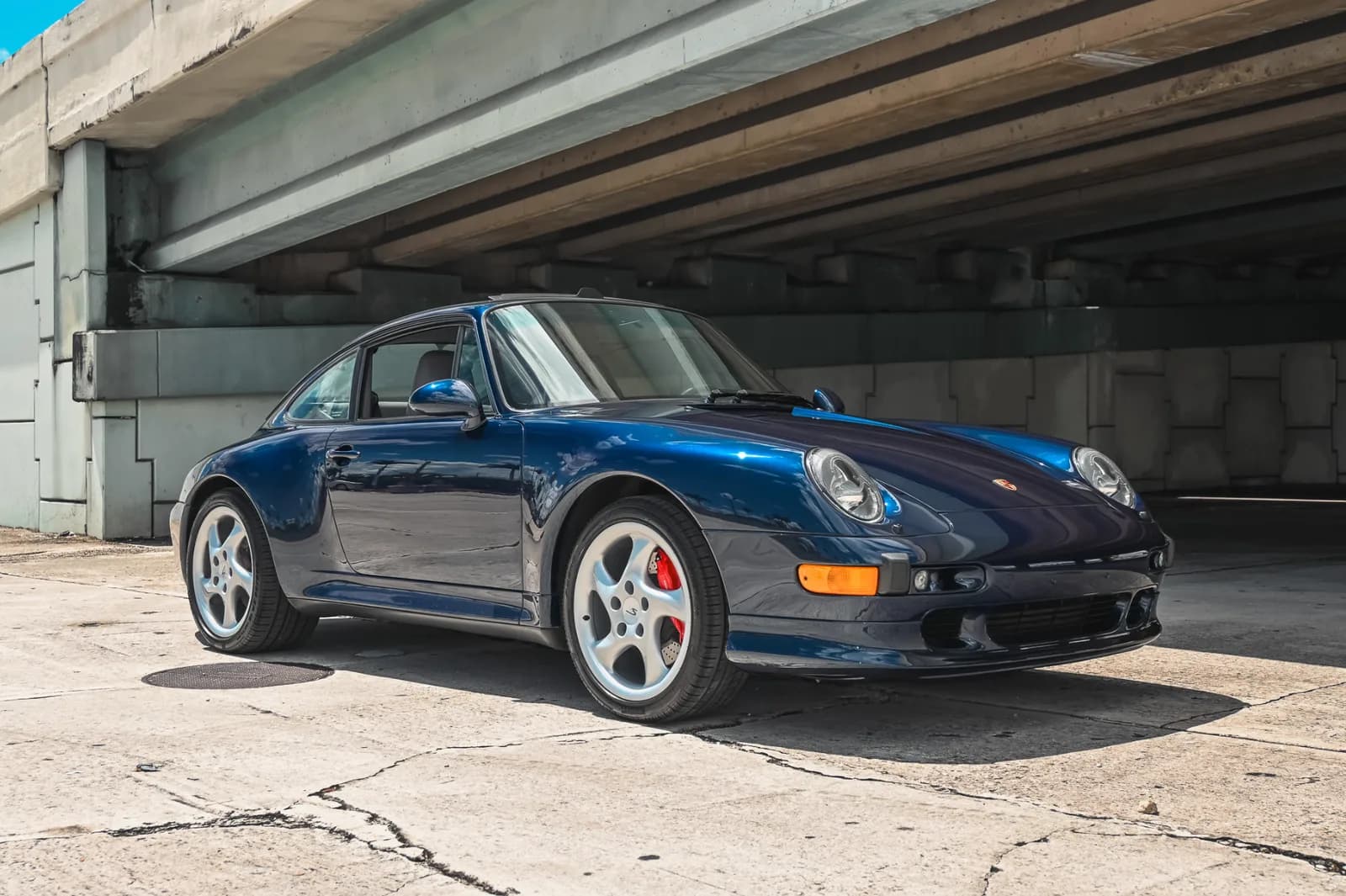
Appreciation is not automatic, and the signals buyers rely on most are often the least reliable. Here is what actually moves collector values, what only looks like it does, and how borrowing against an asset that may gain value differs from borrowing against one that will not.
There is a comfortable story about collector cars: buy the right one, keep it dry, and time does the rest. It is told often enough that buyers treat it as the default outcome rather than as one possible outcome among several.
The data does not support it as a rule. Appreciation happens, it is well documented, and it is genuinely one of the reasons people buy these cars. But it is selective, it is uneven, and the signals most buyers rely on to predict it are frequently the wrong ones.
This is what actually drives it, what only looks like it does, and — the part rarely covered anywhere — how financing a car that may gain value differs from financing one that certainly will not.
Appreciation is not the default, even in a strong market
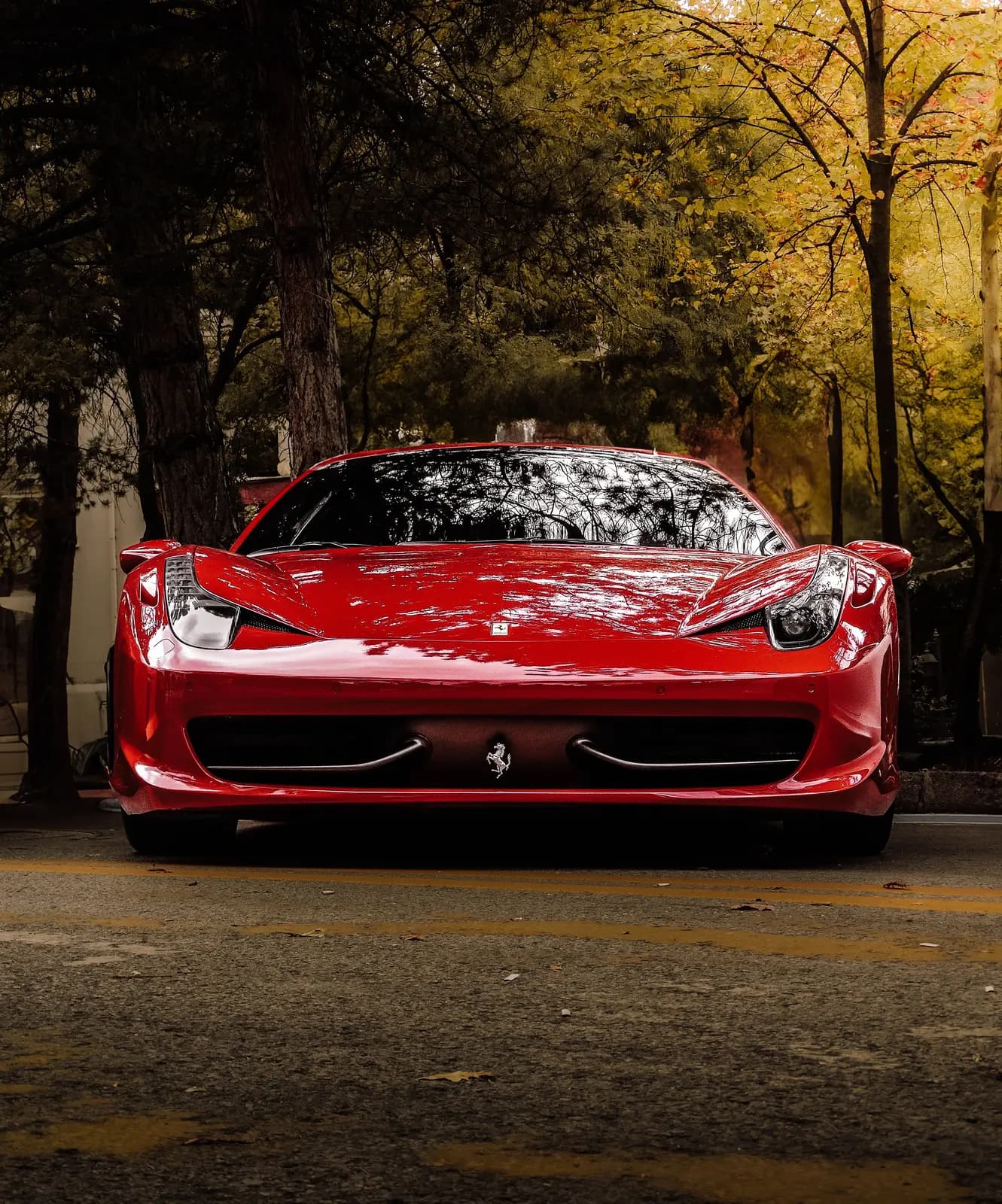
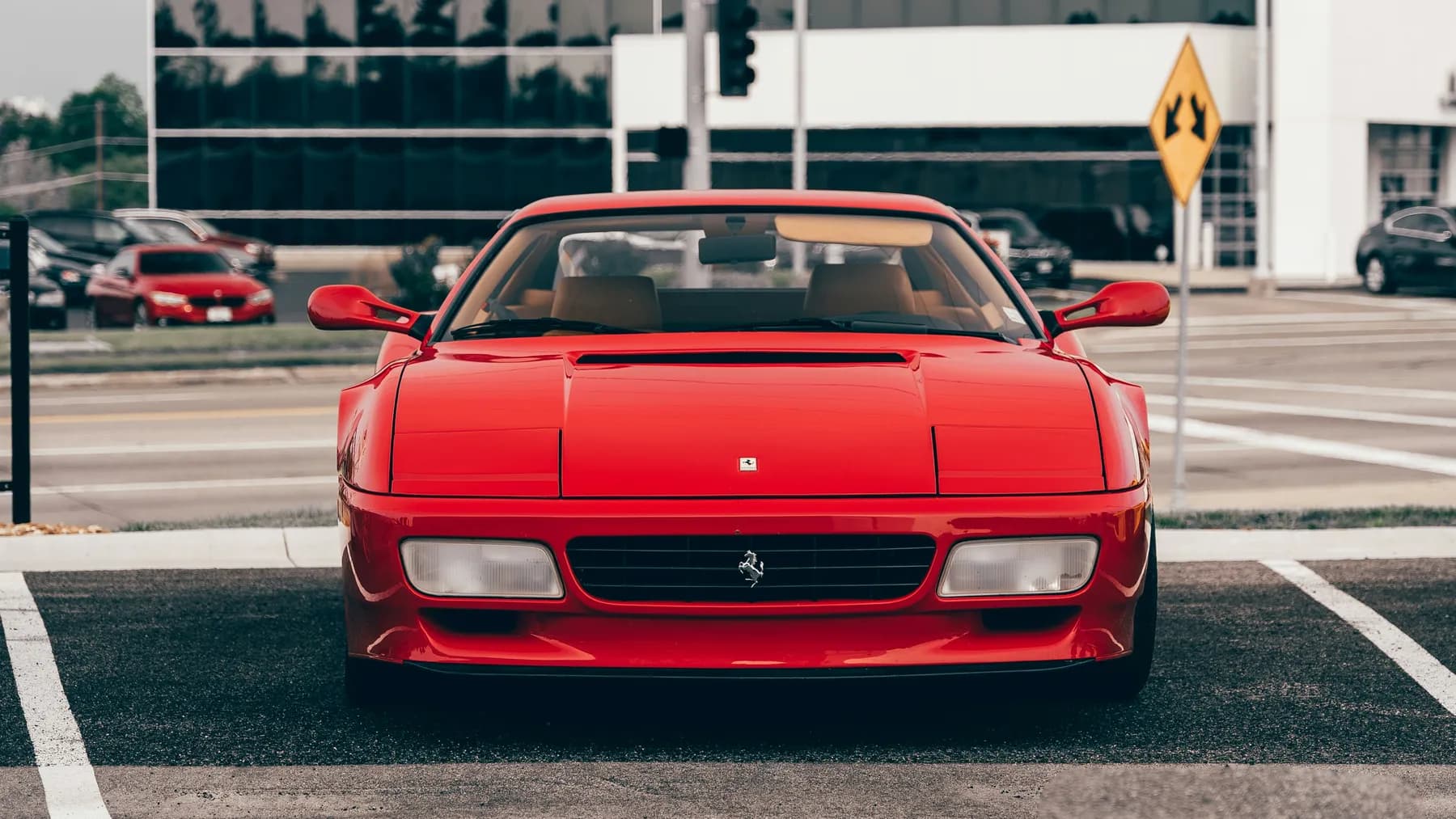
Hagerty publishes a series of indexes tracking different corners of the collector market. In its most recent reporting, six of the eleven gained ground — British cars, postwar German, the affordable index, the RADindex of 1980s and 1990s cars, trucks and SUVs, and supercars — while two lost ground and three were flat. The two that fell were Ferrari and 1950s American.
Read that again, because it undercuts the comfortable story twice. A Ferrari index can fall in the same period that individual Ferraris set auction records. And the segment most people picture when they hear "classic car" — 1950s American iron — was among the weakest.
Individual models move further than the indexes suggest. In one recent Hagerty reporting period the MGA 1600 rose about 10% while the Triumph TR6 fell about 12% — two British sports cars of broadly similar era and audience, moving in opposite directions at the same time.
A two-speed market
Through 2026 the very top of the market has been exceptionally strong, with records across Ferrari's halo models and a single January auction week in Florida turning over $445 million. Over the same period Hagerty's broader Collector Car Market Rating fell to its lowest reading of the period. Both things are true. Which half of that market your car sits in matters more than the headline.
What actually drives appreciation
Four things recur across the cars that have genuinely gained, and they tend to appear together rather than alone.
Scarcity that was real at the time
Not scarcity announced in a press release, but scarcity that resulted from how the car was actually built and sold. A model produced in the hundreds behaves differently from one produced in the tens of thousands, and no amount of marketing closes that gap later.
Be careful with the numbers you are quoted, though. Ferrari does not publish official production figures, so the counts circulating for most models are estimates assembled by specialists and enthusiasts. Some are good estimates. None of them are the factory's. Where a genuinely limited run exists it is usually documented explicitly — the 458 Speciale A was built as a run of 499 — and that documented limit is worth considerably more as evidence than a number someone has inferred.
Mechanical significance, and the end of an era
Cars that represent the last of something have a consistent record. The final naturally aspirated engine before forced induction, the last manual gearbox in a model line, the last generation before an electronic driver aid became mandatory. Hagerty has described the current appetite as interest in the closing chapter of the analog era, and the pattern holds across marques.
The Porsche Carrera GT is the clean example: roughly 1,270 built, a V10 derived from a racing program, and a manual gearbox in a car that would never be built that way again. Hagerty's 2026 Bull Market list values a condition #2 example at around $1,550,000.
Cultural resonance, and who is doing the buying
Collector demand follows the people who have money, and what those people wanted when they were nineteen. That is why the center of gravity has moved. Hagerty's 2026 Bull Market list leans heavily toward the 1990s and 2000s — a 2006–2013 Corvette Z06 at around $55,900 and a 2006–2010 BMW M5 at around $36,000 sit alongside the Carrera GT — as Gen X and older millennials reach peak earning years.
The practical implication is uncomfortable for traditionalists: the cars appreciating fastest are frequently not the oldest ones. A car does not need to be pre-war to be collectible. It needs to be wanted by people who can now afford it.
Condition, originality and documentation
This is the one entirely within your control, and it is where value is most often quietly lost. Hagerty's condition scale runs from concours cars down to honest drivers, and a single grade can separate two apparently identical cars by a wide margin. Originality compounds it: a numbers-matching drivetrain, original specification, and a file that proves both.
Documentation is not administration. On a car that has had fifty years and a dozen owners, the folder is a meaningful part of what you are buying — and what you will eventually sell. Our guide to verifying a vehicle title covers the checks worth making before money moves.
Three things that look like drivers and are not
- A limited-edition badge on its own. Goodwood reported the limited-run Porsche 911 GT2 RS down around 30% after three years, attributed largely to buyers paying well over list at launch. A car cannot hold a price the market never set. Scarcity does not protect you from overpaying for it.
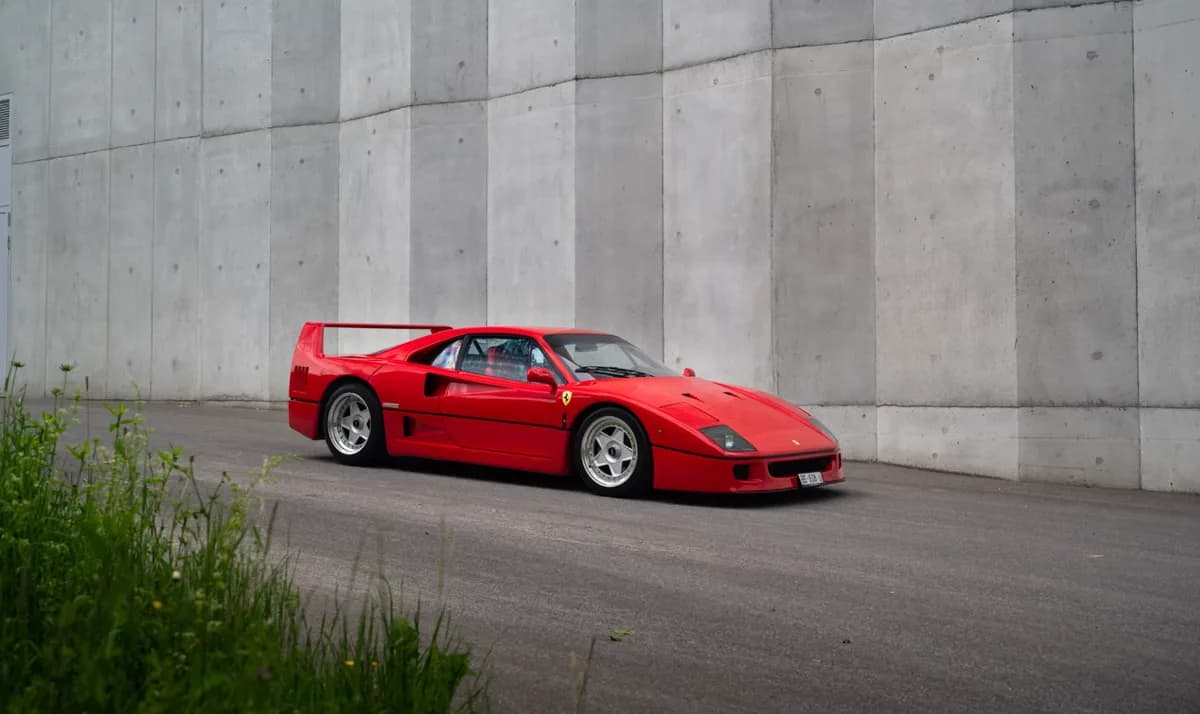
- Scarcity without demand. The Jaguar XJ220 is the standing example — fewer than three hundred built, and Hagerty's often-cited figure has it falling roughly 82% from its original price, still short of that figure decades later. The Ferrari F40, from the same era and also limited, recovered strongly. Rarity set the floor for neither; demand did.
- Buying at the top of a run. The cars that appreciate reward patience far more than urgency. Paying a peak price for a car in a hot segment is the most reliable way to turn a good model into a bad purchase, and it is also where appraisal and loan-to-value get uncomfortable.
How financing fits in
This is where the subject stops being about cars and starts being about capital — and it is the part most coverage of collector values skips entirely.
Leverage changes the arithmetic in both directions
Paying cash for a car converts liquid capital into an illiquid asset. Financing keeps that capital available for the next acquisition, a restoration, or something unrelated. On an asset that holds or gains value, the cost of borrowing is weighed against both what the car does and what your capital earns elsewhere — which is a genuinely different calculation from financing something that depreciates.
It also cuts the other way, and honest coverage should say so. Leverage magnifies a decline exactly as it magnifies a gain, and the interest is owed whether the car appreciates or not. We work through the trade-off properly in finance or pay cash for a collector car.
What appreciation does to the loan itself
Loan-to-value is calculated against appraised value measured by recent comparable sales, not against what you paid and not against a prior peak. On a car bought during a sharp run-up, that can mean an appraisal lands below the purchase price — which shapes the structure available to you.
If the value rises after purchase, the two products people reach for behave differently. A refinance is available at any time while a balance remains and moves an existing loan into different terms. Cash-out is delayed financing on a recent purchase and is limited to six months from the purchase date — it is not an equity line against a car you have held for years, and no amount of appreciation changes that window.
Your insurance has to keep up with the value
This is the most common unforced error on an appreciating car. A standard actual-cash-value policy settles a total loss at depreciated market value, decided after the fact. On a car that has gained since you insured it, that shortfall is yours while the lien still has to be satisfied. An agreed-value policy fixes the figure in writing — and on a car that is genuinely appreciating, the agreed figure needs revisiting rather than setting once and forgetting.
What this is not
None of this is investment advice, and a car is not a security. It carries costs a security does not — storage, insurance, maintenance, and the specialist labour rates that come with all three. It is illiquid: selling well takes the right venue and the right moment, and a forced sale is rarely a good one. Transaction costs at auction are real on both sides.
The buyers who do best over time are the ones who bought a car they actually wanted, financed it on terms they understood, and treated appreciation as an outcome rather than a plan.
Thinking about a car you expect to hold
Tell us the car, the condition and how long you intend to keep it. A specialist reviews the file and tells you what is realistic — including when a different structure, or waiting, would serve you better.
Explore collector car financingFrequently asked questions
Do all classic cars appreciate over time?
No. In Hagerty's most recent index reporting, six of eleven indexes gained, two lost ground and three were flat — and the two that fell included Ferrari and 1950s American cars. Individual models diverge further: in one recent period the MGA 1600 rose about 10% while the Triumph TR6 fell about 12%. Appreciation is selective, not automatic.
What makes a collector car appreciate?
Four factors recur, usually together: genuine scarcity from how the car was originally built and sold, mechanical significance such as the last naturally aspirated engine or final manual gearbox in a line, cultural resonance with buyers now at peak earning age, and condition backed by originality and documentation. The last of those is the one most within an owner's control.
Are newer cars from the 1990s and 2000s really collectible?
Increasingly, yes. Hagerty's 2026 Bull Market list leans toward that era, with a 2006–2013 Corvette Z06 at roughly $55,900 and a 2006–2010 BMW M5 at roughly $36,000 alongside far more expensive picks. Collector demand tracks what buyers wanted when they were young, and Gen X and older millennials are now reaching peak earning years.
Does a limited-edition car always hold its value?
No, and two examples make the point. Goodwood reported the limited-run Porsche 911 GT2 RS down around 30% after three years, largely because buyers paid well over list at launch. The Jaguar XJ220 was built in very small numbers and still fell roughly 82% from its original price. Scarcity sets no floor on its own — demand does.
Should I finance a collector car I expect to appreciate?
It is a portfolio decision rather than an affordability one. Financing keeps capital liquid for the next acquisition, and on an asset that holds value the cost of borrowing is weighed against what your capital earns elsewhere. Be clear-eyed that leverage magnifies a decline as readily as a gain, and the interest is owed either way.
If my car appreciates, can I borrow against the increase?
Not through cash-out, in most cases. Cash-out is delayed financing on a recent purchase and is limited to six months from the purchase date regardless of what has happened to the value since. If a loan balance remains, refinancing is available at any time and has no ownership limit. If you own the car outright and are past six months, neither product applies.