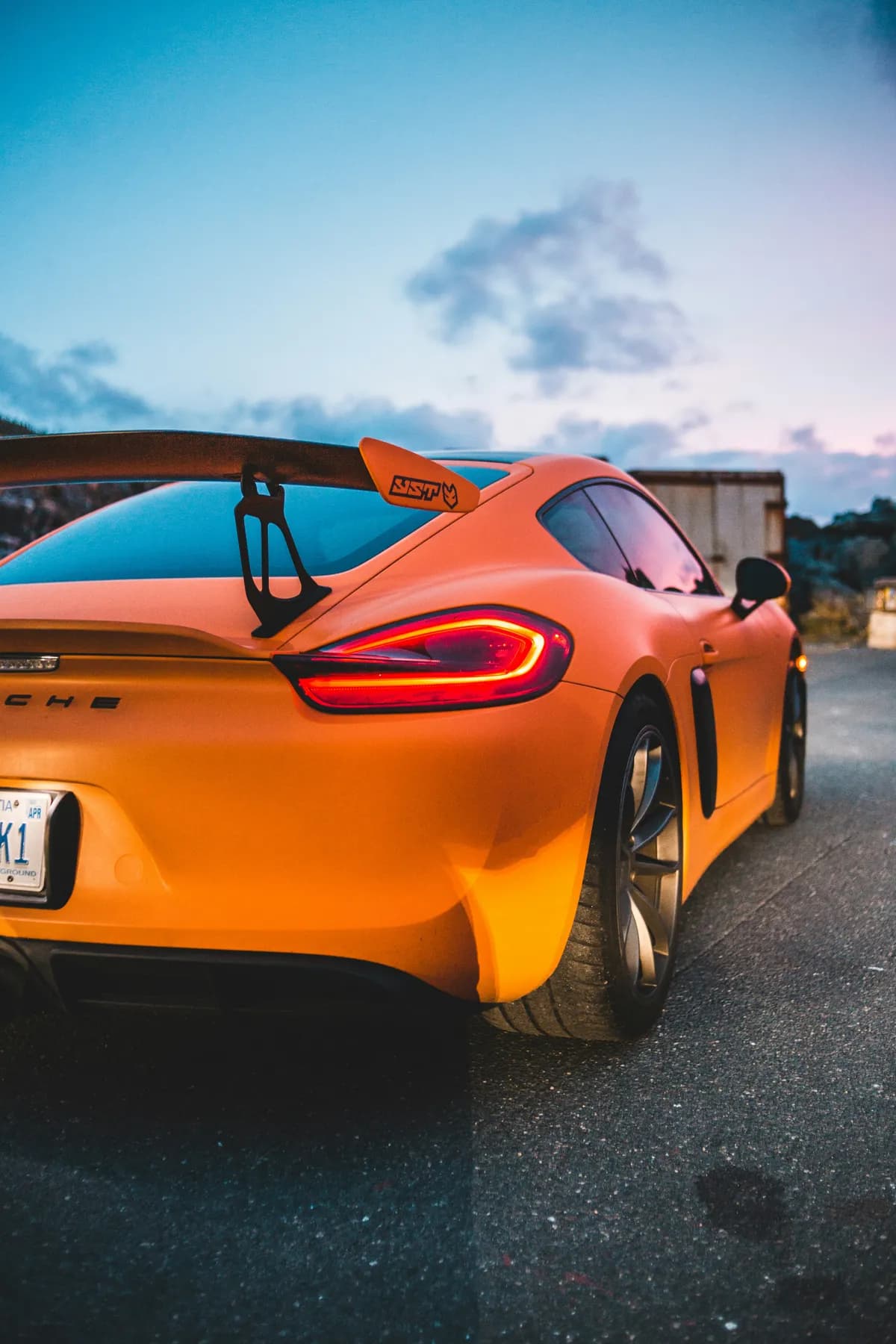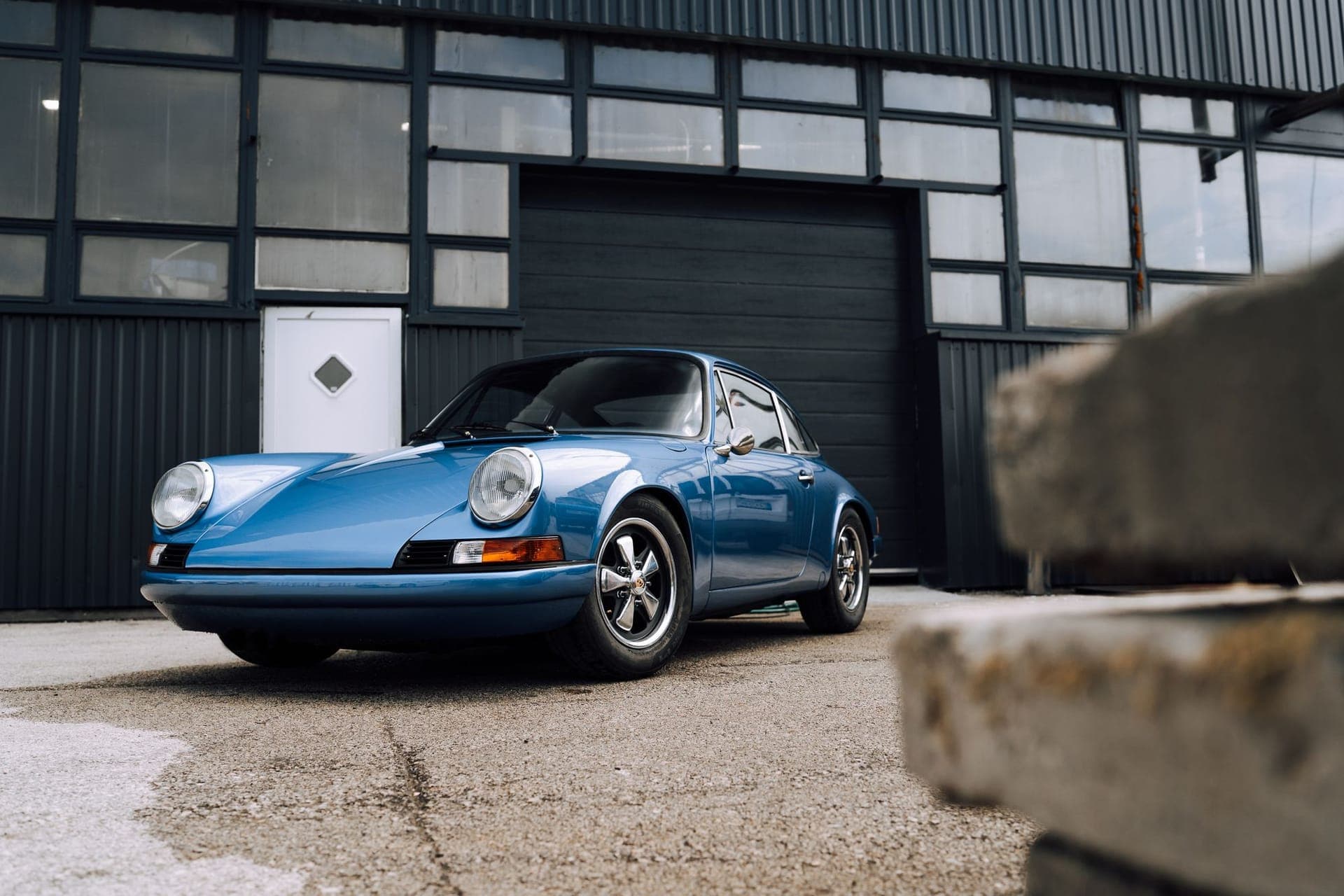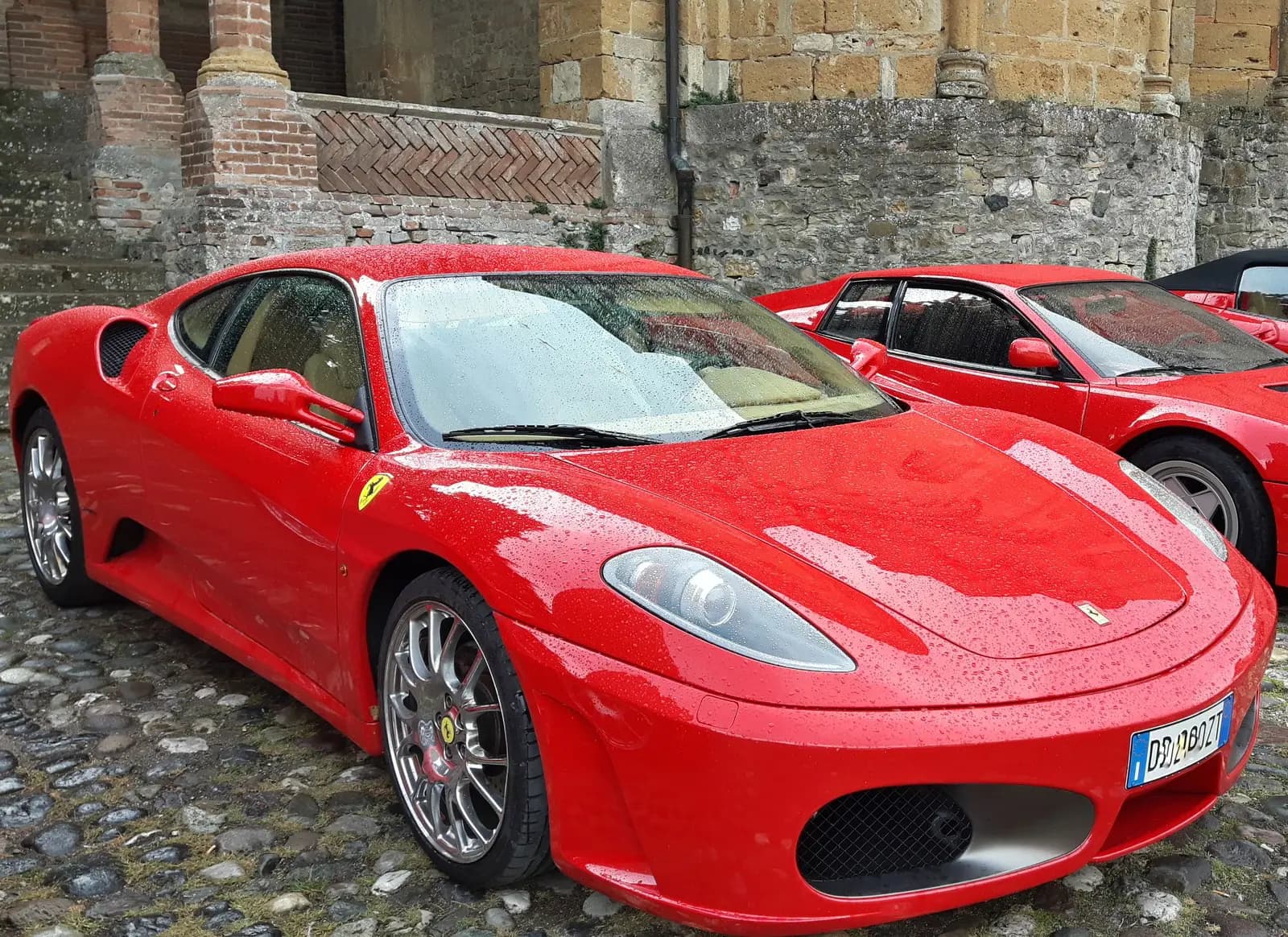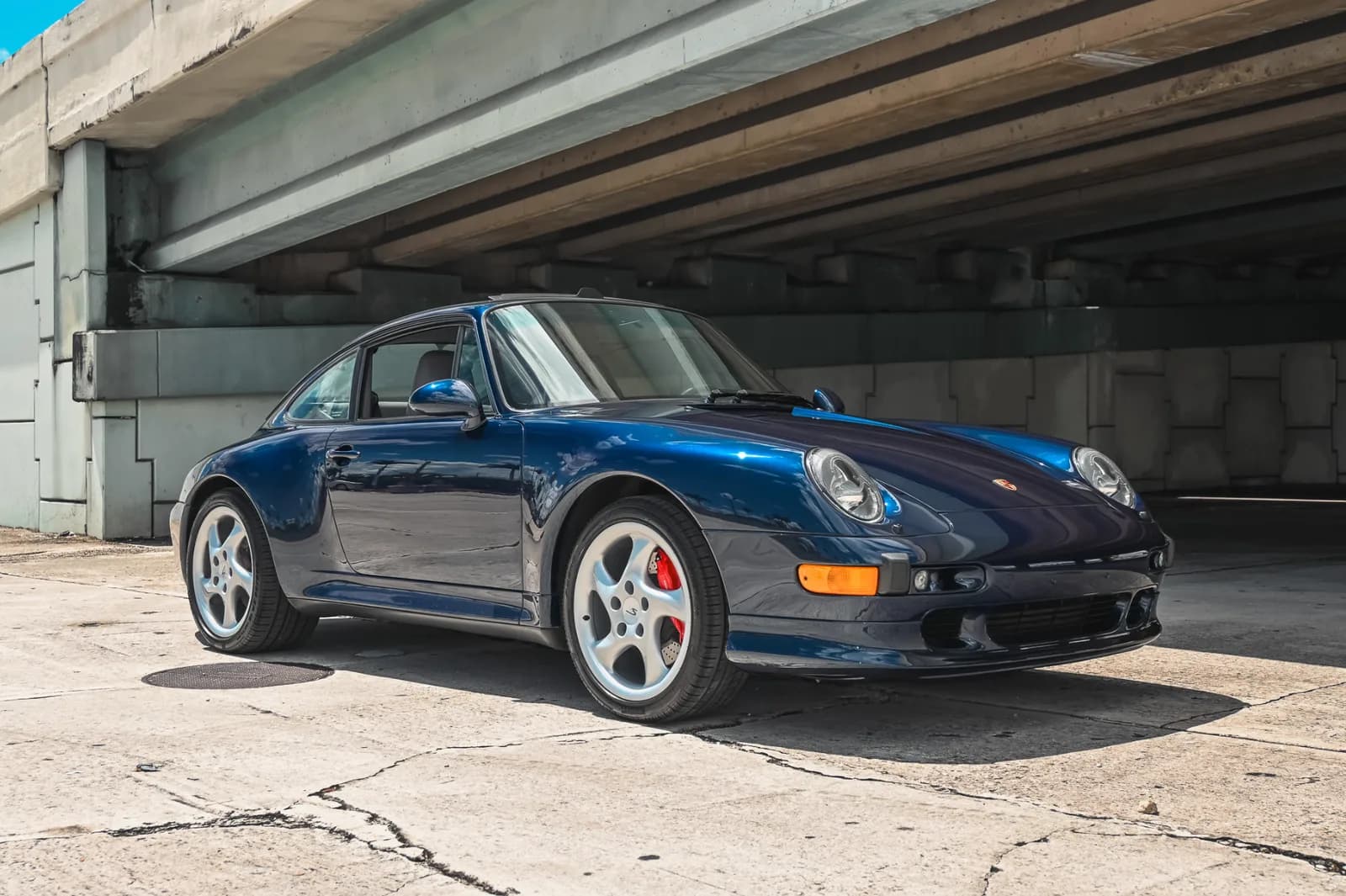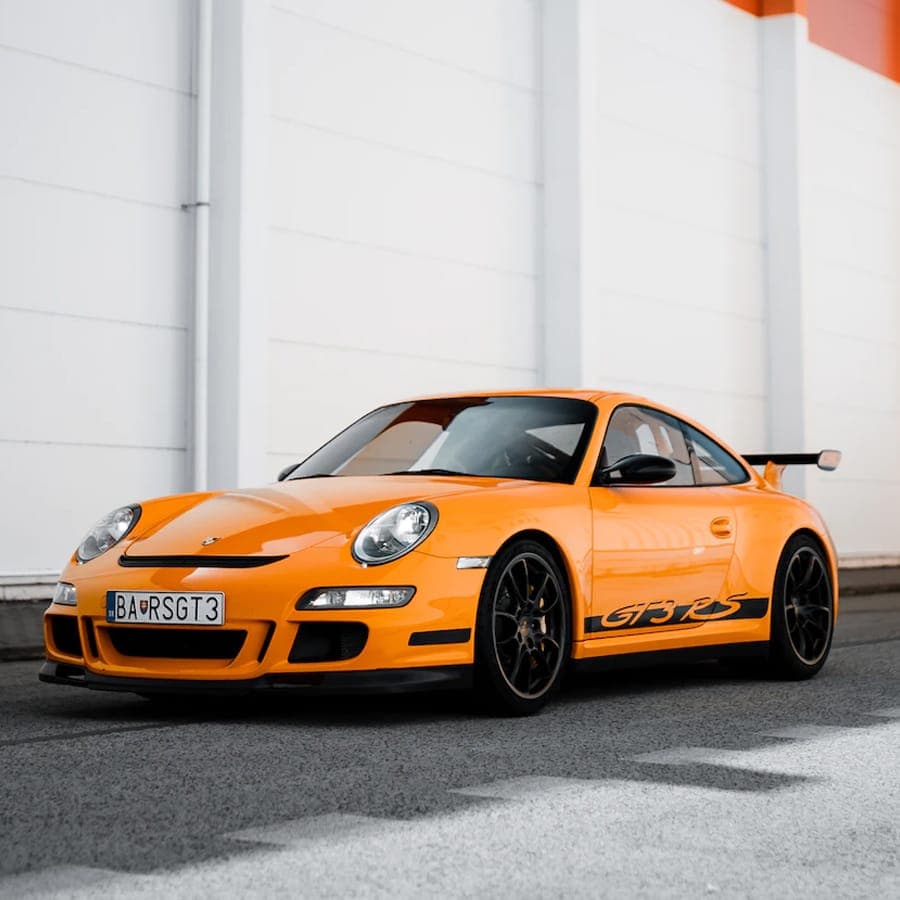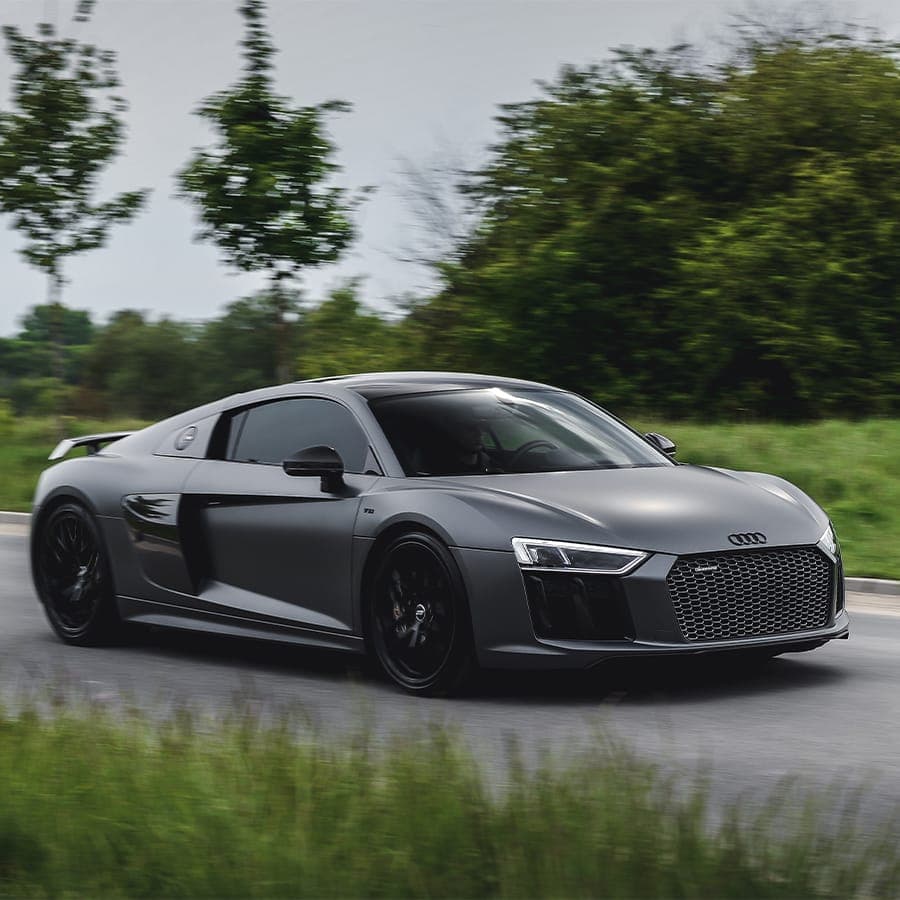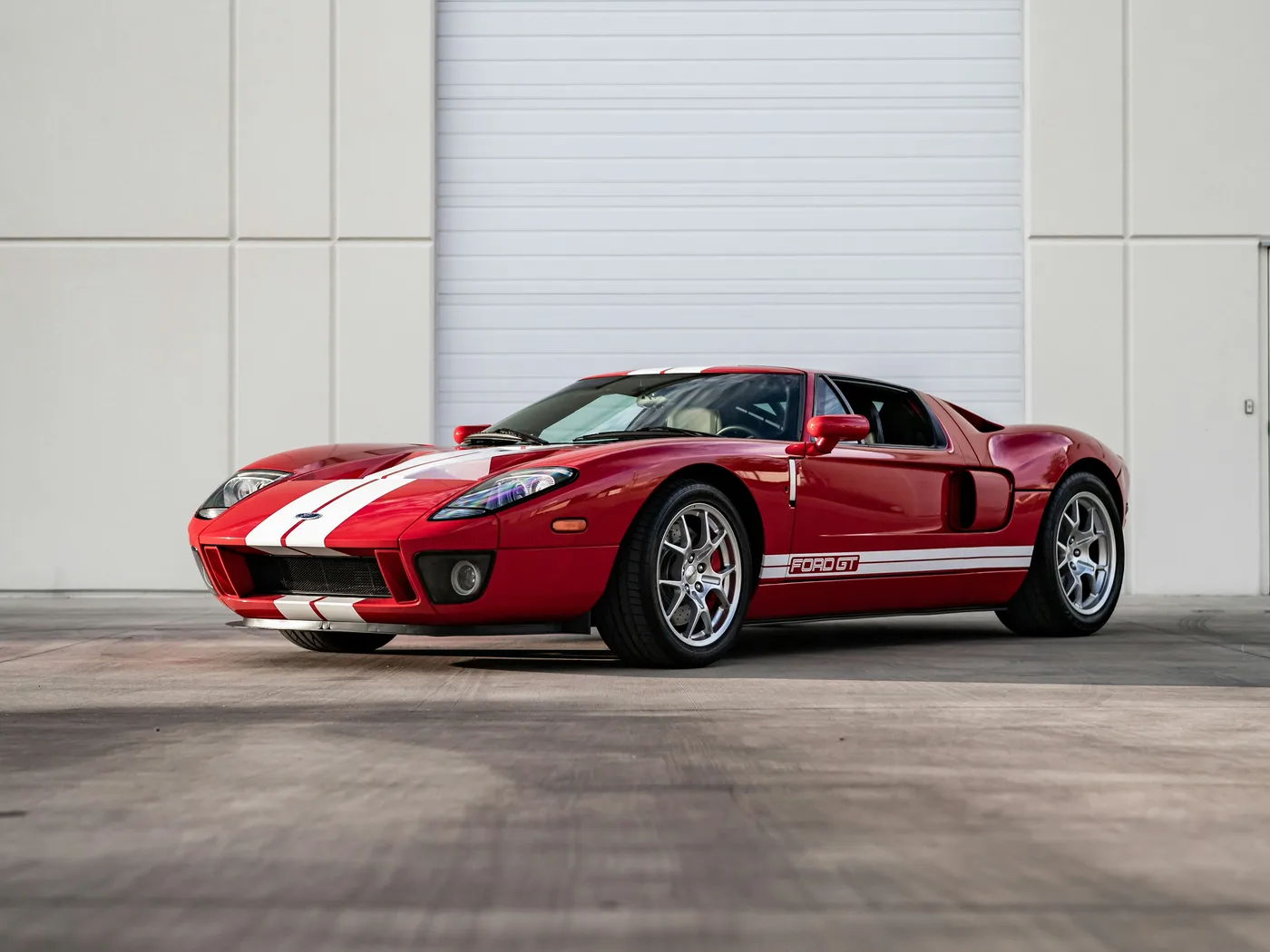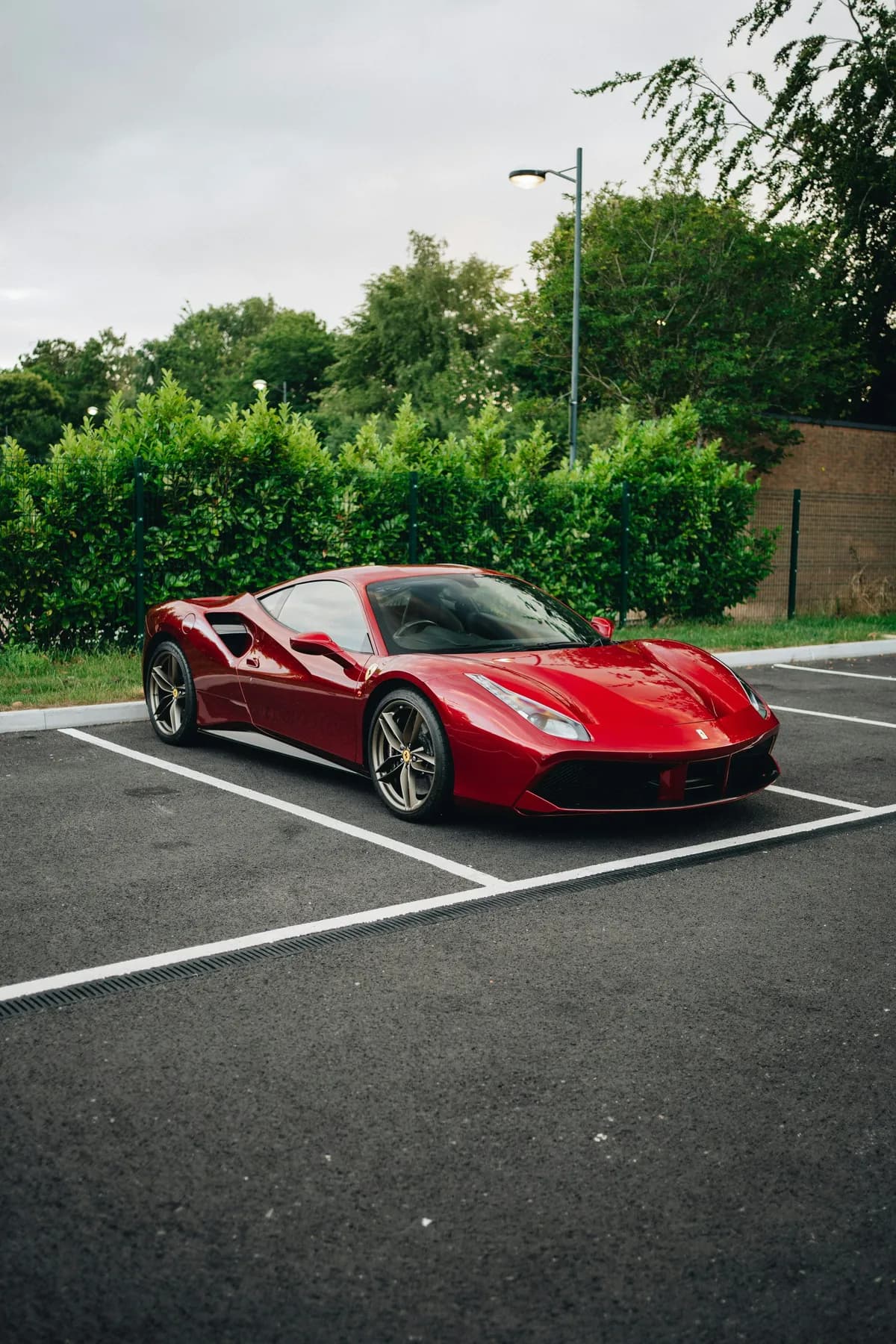
Published depreciation figures for exotics contradict each other wildly, and the contradiction is the most useful thing about them. Here is what actually predicts which cars fall hardest, and how it should shape the way you finance one.
Search for how much an exotic car depreciates and you will find confident, specific, mutually incompatible answers. One source says roughly 6% in the first year. Another says 20% to 40% the moment it leaves the showroom. A third says 40% to 60% across five years.
They cannot all be right, and most of them are written by somebody with a car to sell. But the spread itself is the finding, and understanding why it exists tells you more than any single number would.
Five things worth knowing before you buy — and what each one means for how you should finance the car.
1. There is no single exotic depreciation rate
The figures disagree because the segment is not one thing. It contains cars built in the tens of thousands and cars built in the hundreds, cars sold at list and cars sold at double it, cars at the start of a model cycle and cars being run out before a replacement lands. Averaging across that produces a number that describes nothing you can actually buy.
Treat any quoted segment-wide rate as marketing rather than analysis. The question worth asking is not how fast exotics depreciate, but which side of the split the specific car in front of you sits on.
2. Production volume is the strongest single predictor
If you only get to check one thing, check how many were built. A car produced in volume across a long model run behaves like a fast depreciating performance car. A genuinely limited run behaves differently, because the supply cannot expand to meet renewed interest.
Verify the number rather than accepting it. Ferrari does not publish official production figures, and most counts you will see quoted for its models are estimates assembled by specialists — some careful, none official. Where a limit is real it is usually explicit and documented: the 458 Speciale A was built as a run of 499. That documented cap is evidence. An inferred number on a forum is not.
The same caution applies to the word "rare" in a listing. It is not a specification, it carries no definition, and it is the cheapest word in the advertisement.
3. A limited badge does not make a car immune
Limited production helps. It does not protect you from the price you paid.
Goodwood reported the Porsche 911 GT2 RS — a limited car by any definition — down around 30% after three years, attributing it largely to buyers paying well above list during the launch frenzy. The car did not fall 30% from its market value. It fell 30% from a number the market had never actually set.
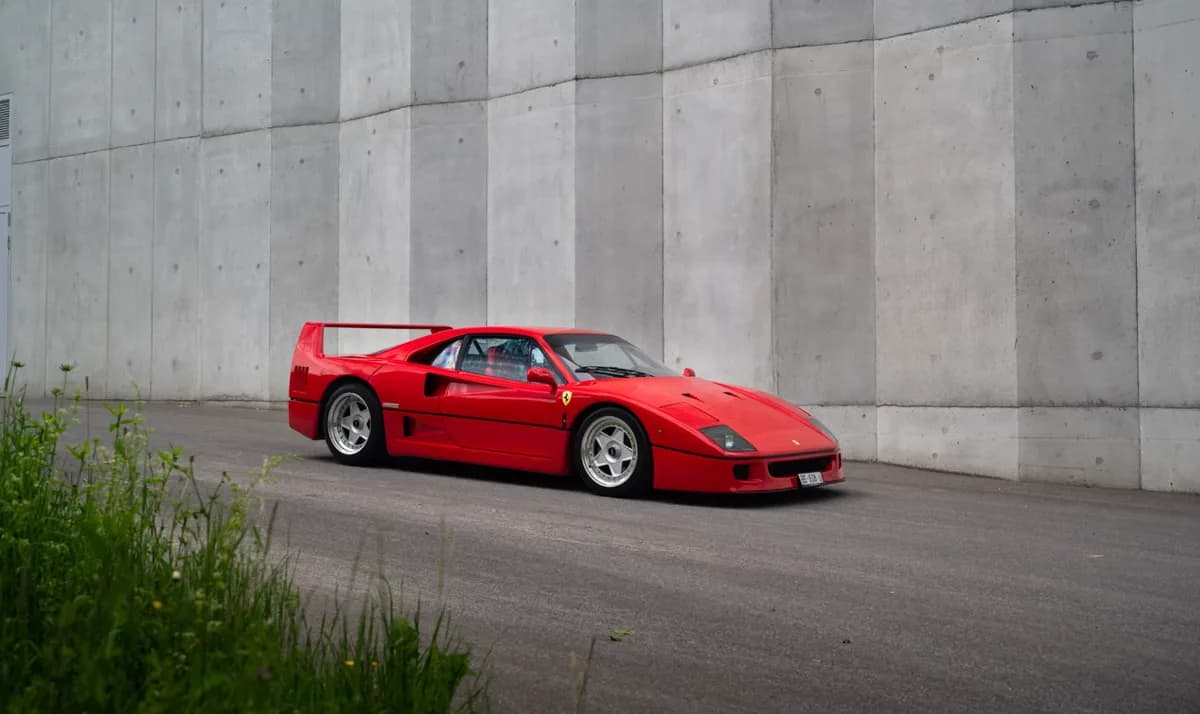
The longer cautionary tale is the Jaguar XJ220. Built in very small numbers, briefly the fastest production car in the world, and per Hagerty's often-cited figure it fell roughly 82% from its original price and spent decades below it. The Ferrari F40, limited and from the same era, recovered strongly. Scarcity was common to both. It decided neither.
The practical test
Before you agree a price, find out what the car actually sold for recently — not what it listed at, and not what it cost new. If the only comparables available are asking prices, you do not yet have enough information to know whether you are paying a market price or setting a new high on your own.
4. Options rarely return what they cost
Exotic options lists are long and expensive, and a heavily specified car can carry a six-figure premium over a base example when new. Very little of that premium survives the first resale. Commentary across the category notes that high-specification cars with large option lists can still shed 20% to 30% in the first two years, and the option spend is a large part of what goes.
There is a real nuance here worth separating out. On a new car you generally do not recover what you spent on options. On a car that later becomes genuinely collectible, documented original specification does support value — a desirable factory combination, properly evidenced, can separate two otherwise identical cars decades later. Those are different timescales and different markets, and conflating them is how people justify an option sheet they will not get back.
5. The curve is steepest at the start, which is why the second owner wins
Whatever the exact figures, every source agrees on the shape: the loss is front-loaded. The first owner absorbs the steepest part of it, and a buyer stepping in a few years later acquires most of the car for a materially smaller share of the original price.
For some models the curve then flattens, and for a narrow set of limited, mechanically significant, culturally resonant cars it eventually turns back upward. That turn is not predictable enough to plan a purchase around, but the flattening is reliable enough to time one.
What this means for the loan
Depreciation is not only a resale problem. It shapes the structure that makes sense while you own the car.
- Equity and the underwater window. On a steeply depreciating car, a long term with a small down payment can leave you owing more than the car is worth for a stretch in the middle. That matters if you need to sell, and it matters more if the sale is not your choice. Our guide to down payments on exotics covers where the bands usually sit.
- Term length is a trade, not a discount. A longer term lowers the monthly figure and raises the total. On a car holding value that can still be the rational call, because the capital you did not spend is doing something else. On one falling steeply it extends the period you are underwater.
- Simple interest matters here. Our programs are simple-interest with no prepayment penalty on eligible programs, so interest accrues on the outstanding balance — paying ahead genuinely reduces what you owe rather than running into a precomputed penalty.
- Consider whether you should own it at all. Leasing is built around predictable depreciation, which makes it a reasonable fit for a modern exotic you intend to turn over, and a poor one for a car you expect to hold. Leasing versus financing sets the two side by side.
None of this argues against buying an exotic. It argues against buying one on the assumption that it behaves like the exception rather than the rule. If you want the detail on a particular marque, our Ferrari and Porsche pages go through what an appraiser actually looks at on each.
Work out the structure before you commit
Tell us the car, the specification and how long you expect to keep it. A specialist models the structure and tells you honestly what the trade-offs are — including when waiting, or a different car, is the better answer.
Explore exotic car financingFrequently asked questions
How much does an exotic car depreciate in the first year?
There is no reliable single figure, and the published estimates range from around 6% in year one to 20% or more immediately on delivery. They disagree because the segment contains both volume-production cars and genuinely limited ones, and averaging across them describes nothing you can actually buy. The useful question is which side of that split a specific car sits on.
Which exotic cars depreciate the fastest?
As a pattern rather than a list: cars built in volume across a long model run, cars late in a model cycle before a replacement arrives, and heavily optioned examples where a large part of the original price was specification. Cars bought well above list depreciate fastest of all, because part of what they are losing is a premium the wider market never paid.
Does a limited-edition supercar hold its value?
Usually better than a volume car, but it is not guaranteed. Goodwood reported the limited Porsche 911 GT2 RS down around 30% after three years, largely because buyers paid over list at launch. The Jaguar XJ220 was built in very small numbers and still fell roughly 82% from its original price per Hagerty's often-cited figure, while the Ferrari F40 recovered strongly. Scarcity helps; it does not decide the outcome.
Is it better to buy a used exotic to avoid depreciation?
It avoids the steepest part of it. Every source agrees the loss is front-loaded, so a buyer stepping in a few years after launch acquires most of the car for a materially smaller share of the original price. Weigh that against warranty position, service history and the condition of a car that has already been used.
Do options add to an exotic car's resale value?
Rarely in proportion to what they cost. A heavily specified car can carry a six-figure premium when new and recover little of it at first resale. The exception runs on a different timescale: on a car that later becomes genuinely collectible, documented original specification does support value. Do not use the second case to justify the first.
How does depreciation affect financing an exotic car?
Mainly through equity. A long term with a small down payment on a steeply depreciating car can leave you owing more than it is worth for a period in the middle of the loan, which matters if you need to sell. A larger down payment and a shorter term shorten that window, and simple-interest programs with no prepayment penalty mean paying ahead genuinely reduces the balance.