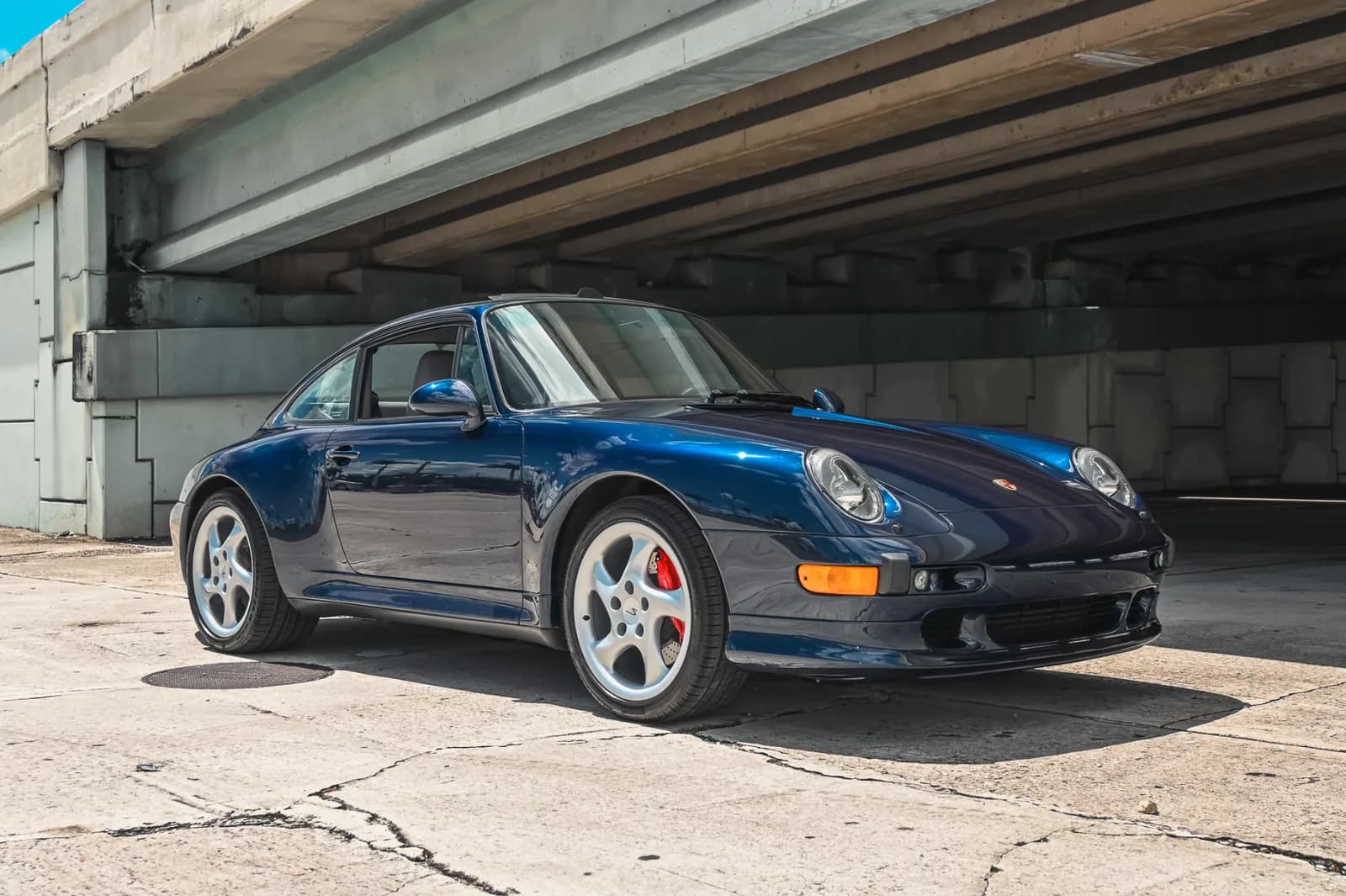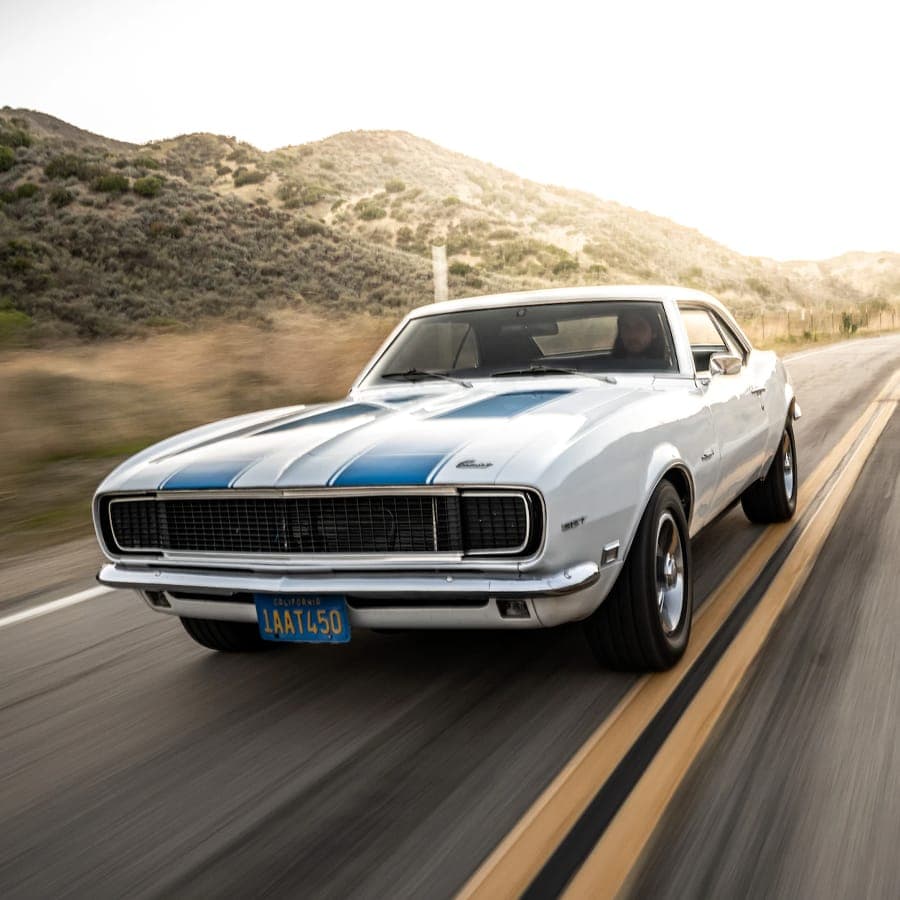
Financing a Ferrari, Lamborghini, McLaren, Porsche, or any high-end sports car works differently than a standard auto loan. Here is how exotic and sports car financing works in 2026, what lenders look at, and how to prepare before you apply.
An exotic or high-performance sports car is one of the most exciting purchases you can make, and you do not have to drain your savings to drive one. Financing a Ferrari, Lamborghini, McLaren, Porsche, or any premium sports car works differently than a standard auto loan, and understanding how can save you both money and time. Here is a practical, plain-English guide to how exotic and sports car financing works in 2026, what specialty lenders look at, and how to put yourself in the strongest position before you apply.
Can you finance an exotic car?
Yes. Exotic, supercar, and hypercar purchases are financed every day, whether you are buying from a franchise dealer, an independent specialist, or a private seller across the country. The difference is who you borrow from. A typical bank or credit union is built around mass-market vehicles and often struggles to value a low-production exotic, a rare color combination, or an appreciating collector piece. A specialty lender underwrites these cars all the time and structures the loan around the asset and the owner rather than a generic price guide.
How exotic car loans actually work
Most specialty exotic car loans are simple-interest loans, which means interest is calculated on your outstanding balance day by day. Pay a little extra or pay early and you reduce the interest you owe, typically with no prepayment penalty.
- Loan amounts: from around $10,000 up to $5,000,000, so everything from an attainable sports car to a seven-figure hypercar can be financed.
- Terms: flexible, with long-term exotic car financing available up to 180 months to keep monthly payments manageable.
- Vehicles: exotic, classic, collectible, and high-line luxury, generally any year, make, and model.
- Where you buy: a franchise or independent dealer, a private party, a broker, or an auction, in any state.
Why finance instead of paying cash?
Even buyers who can write a check often finance on purpose. Financing preserves liquidity for other opportunities, keeps capital invested where it may earn more than the loan costs, and can let you secure a car quickly when the right one appears. For collector pieces in an appreciating market, leverage can also amplify returns, though it cuts both ways. We weigh this in detail in our guide to financing or paying cash for a collector car.
What lenders look at
When a real person reviews an exotic car application, they are looking at the whole picture, not a single score. Four areas matter most:
1. The vehicle
Year, make, model, mileage, condition, and how the car is valued. Rarity and provenance can work in your favor, while an unusual or heavily modified car may need extra documentation.
2. The deal structure
Purchase price, amount financed, down payment, and term. A reasonable down payment and a sensible term relative to the car generally make for a cleaner file.
3. Credit profile
A recommended score of around 650 or higher helps, along with a history of handling installment debt responsibly. Cash-out and refinance requests usually call for 680 or higher.
4. Documentation
Proof of income that matches how you actually earn. Self-employed buyers are common in this world, and lenders care about documentable personal income, not just gross business revenue.
Not sure how your car and profile line up?
Our Check My Fit tool gives you a directional read in a couple of minutes, with no application and no credit pull.
Try Check My FitExotic car loan rates: what shapes yours
There is no single exotic car loan rate. Your rate reflects the broader market plus your specific file, and these factors move it the most:
- Your credit profile and history
- Loan amount, term length, and down payment
- The vehicle itself: its age, type, and how it is valued
- Whether it is a purchase, a refinance, or a cash-out request
Because the inputs vary so much, the most reliable way to understand your rate is a short conversation with a specialist who can look at the actual car and structure.
Dealer vs. private-party purchases
Buying from a dealer is straightforward, but some of the best exotic and collector deals are private-party or out of state. Specialty lenders fund those regularly and often handle the title and registration so the paperwork does not fall on you. The one step you should never skip on a remote purchase is an independent pre-purchase inspection.
How to get started
- Know your numbers: target price, a down payment you are comfortable with, and a term that fits your budget.
- Gather documentation: photo ID, proof of income, and the details on the car.
- Get a directional read with Check My Fit, then start a secure application when you are ready.
- Talk to a real person who can structure the loan around your specific car.
Financing an exotic should feel as considered as the car itself. Line up your numbers and documentation, work with a lender who actually understands the asset, and the rest is just paperwork between you and the keys.
Frequently asked questions
Can you finance a sports car?
Yes. Whether it is an exotic, a supercar, or a premium sports car, specialty lenders finance it, generally any year, make, and model, from around $10,000 up to $5,000,000, with simple-interest terms up to 180 months.
Can you really finance a car worth over a million dollars?
Yes. Specialty lenders structure financing from around $10,000 up to $5,000,000, so both attainable sports cars and seven-figure hypercars can be financed.
What credit score do I need to finance an exotic car?
A score of roughly 650 or higher is recommended for most purchases, and cash-out or refinance requests typically require 680 or higher. A real person reviews the full picture, not just the number.
How long can exotic car loan terms be?
Terms are flexible and can run up to 180 months, which helps keep monthly payments manageable on higher-value cars.
Can I finance a car I am buying from a private seller in another state?
Yes. Private-party, broker, auction, and out-of-state purchases are all common, and the lender often handles the title and registration.
Is exotic car financing simple interest?
Most specialty exotic car loans are simple interest, so paying extra or paying early reduces the interest you owe, usually with no prepayment penalty.
How fast can I get a decision?
Applications are reviewed by a real person, often with a qualification decision within about an hour during business hours.