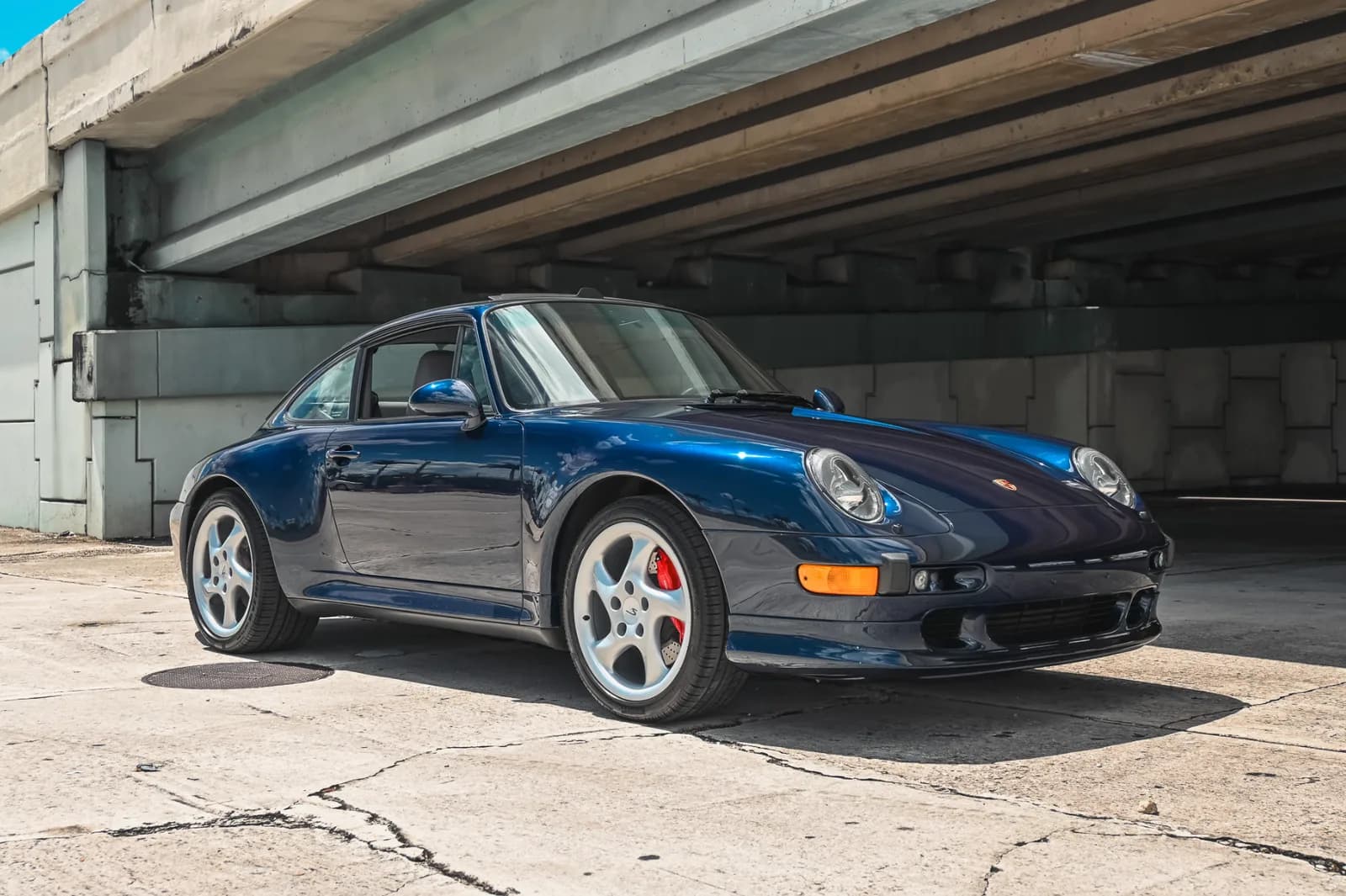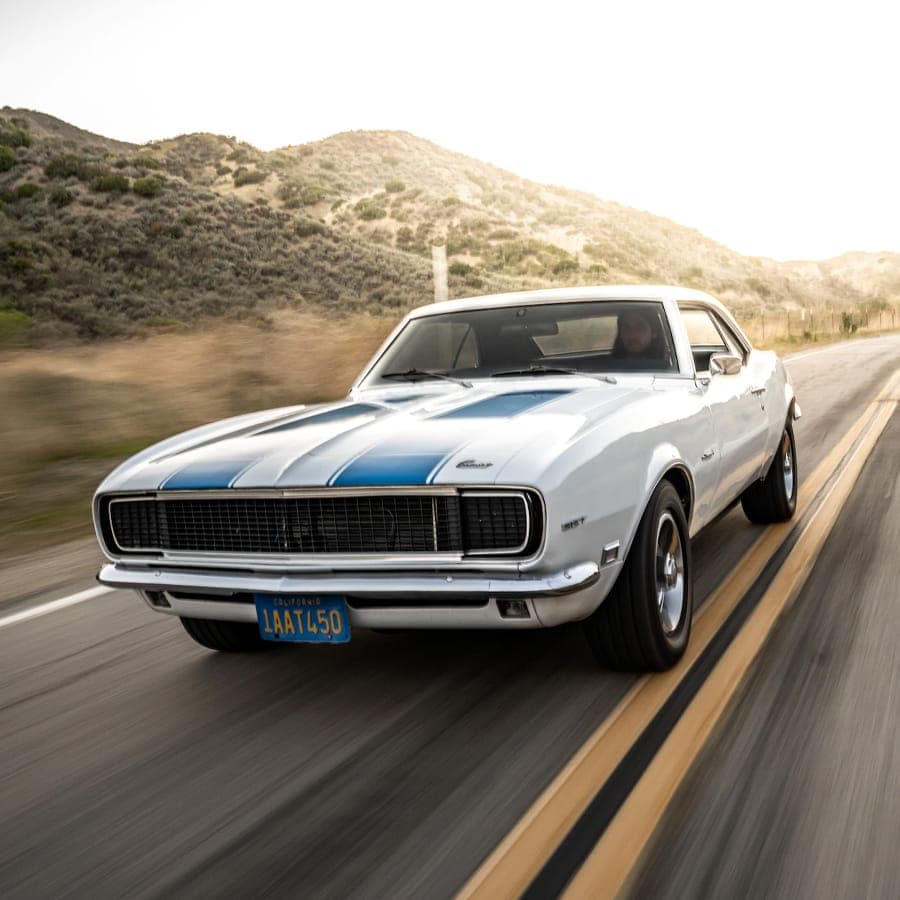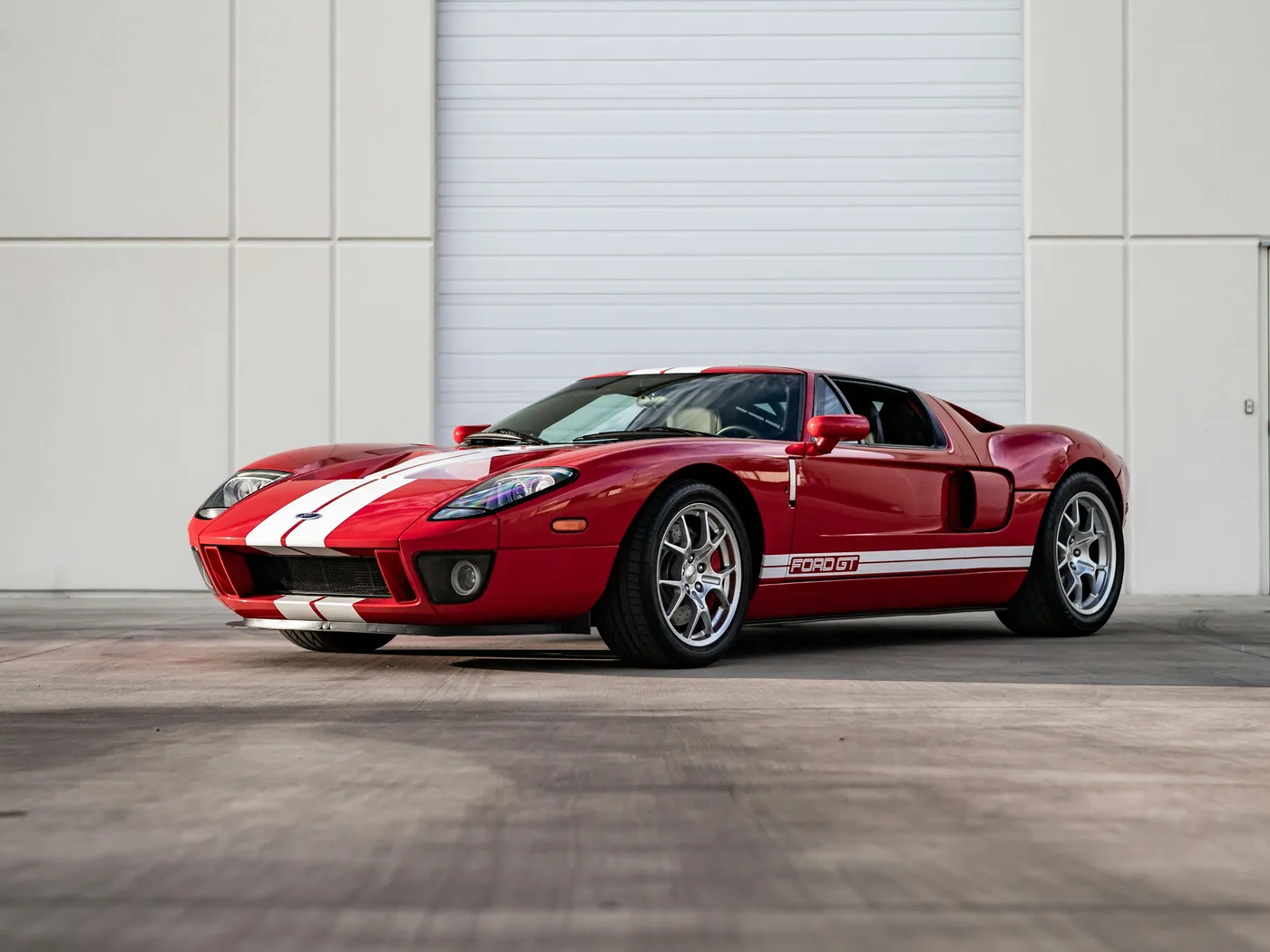
Choosing where to finance an exotic or collector car matters as much as choosing the car. The wrong lender can undervalue a rare machine, decline a great buyer over a technicality, or stall a time-sensitive deal. Here's what separates a true specialty lender from a mass-market bank.
You've found the car, or you're close. Now comes a decision that quietly shapes the whole purchase: who finances it. A lender built for mass-market vehicles can undervalue a low-production exotic, decline a strong buyer over a technicality, or move too slowly for a private-party or auction deal. Choosing the right lender matters as much as choosing the right car. Here's what to look for.
1. Genuine specialty expertise
The single biggest factor. A typical bank or credit union is built around everyday cars and often can't properly value a rare spec, a low-production supercar, or an appreciating collector piece, so it leans on a generic price guide and either lowballs the value or declines. A true specialty lender underwrites these cars every day and structures the loan around the asset and the owner, not a one-size-fits-all formula.
2. Loan limits and term flexibility
Make sure the lender comfortably covers your price range and offers terms that fit the car. Look for simple-interest loans (interest on the outstanding balance, so paying early saves money), no prepayment penalty, high limits (up to $5,000,000 for the right file), and long terms up to 180 months to keep payments manageable on a high-value car.
3. Where you're allowed to buy
Some of the best exotic and collector deals are private-party, out-of-state, or at auction, exactly the transactions mass-market lenders shy away from. The right lender funds purchases from a franchise dealer, an independent dealer, a private seller, a broker, or an auction, in any state, and handles the title and registration so the paperwork doesn't fall on you.
4. A real person reviews your file
Automated systems decline good buyers over technicalities, and an incorrectly filled-out online form is a common reason a solid application gets denied. Human underwriting matters most for self-employed buyers, unusual or heavily modified cars, and nuanced files where the whole picture, not a single score, tells the real story. Ask whether a specialist actually reviews and talks through your application before it goes to a lender.
5. Speed and a clear process
The right car doesn't wait, so timing counts. Look for a lender that gives a straight answer on turnaround (often an initial read within the hour, up to a couple of business days for larger loans), holds an approval for a real window so you can shop (commonly around 45 days), and is transparent about documentation and fees from the start.
6. Support beyond the loan
The best specialty lenders help with the whole purchase, not just the money: guidance on appraisals and pre-purchase inspections, agreed-value insurance, lease-versus-finance options, and protection plans you can roll into the financing. That end-to-end help is often what separates a specialist from a transactional lender.
See where you stand before you commit
Check My Fit gives you a directional read on your car, structure, and profile in a couple of minutes, with no application and no credit pull.
Try Check My FitRed flags to avoid
- Can't value the car. If they treat a rare exotic like a used sedan, expect a low appraisal or a decline.
- Teaser rates that don't hold. Numbers that change once the real file is reviewed.
- No private-party, out-of-state, or auction funding. A dealbreaker for many enthusiast purchases.
- No human contact. A purely automated decision with no one to talk to.
- Opaque fees or pressure. A good lender is transparent and patient.
A quick checklist
- Do they specialize in exotic, classic, and collector cars, and can they value mine?
- Do the loan amount, term, and simple-interest structure fit, with no prepayment penalty?
- Will they fund a private-party, out-of-state, or auction purchase and handle the title?
- Does a real person review my file?
- Is the timeline, approval window, and fee structure clear?
Digital AutoFi was built around exactly these standards: 20+ years of specialty-asset expertise, simple-interest loans up to $5,000,000 with terms to 180 months, funding from any dealer or private seller in any state, and a real person on every file, no automatic approvals or denials. Get a directional read with Check My Fit, then start a secure application when you're ready.
Frequently asked questions
What should I look for in an exotic car lender?
Genuine specialty expertise (can they value a rare car?), loan limits and terms that fit, simple interest with no prepayment penalty, willingness to fund private-party and auction purchases, human underwriting, a clear timeline, and support with appraisals and insurance.
Can a regular bank finance an exotic car?
Sometimes, but mass-market banks are built around everyday vehicles and often struggle to value a low-production exotic or an appreciating collector car, which can mean a low appraisal, a decline, or a clumsy structure. A specialty lender underwrites these cars every day.
Can a lender finance a private-party or auction purchase?
A specialty lender can. Private-party, out-of-state, broker, and auction purchases are common, and the lender typically handles the title and registration. Many mass-market lenders won't fund these.
How long does exotic car financing take?
With a specialty lender, an initial read often comes within the hour during business hours, with larger loans (over $150,000) taking up to two business days. Approvals commonly hold for about 45 days so you can shop.
Why does human review matter for exotic car loans?
Automated systems decline good buyers over technicalities. A real person can weigh the whole picture, which matters for self-employed buyers, unusual cars, and nuanced files, rather than judging on a single score.
What credit score do I need to finance an exotic or collector car?
Around 650 or higher is recommended for most purchases, and cash-out or refinance requests typically call for 680 or higher. A strong overall file can offset a score near the lower end.