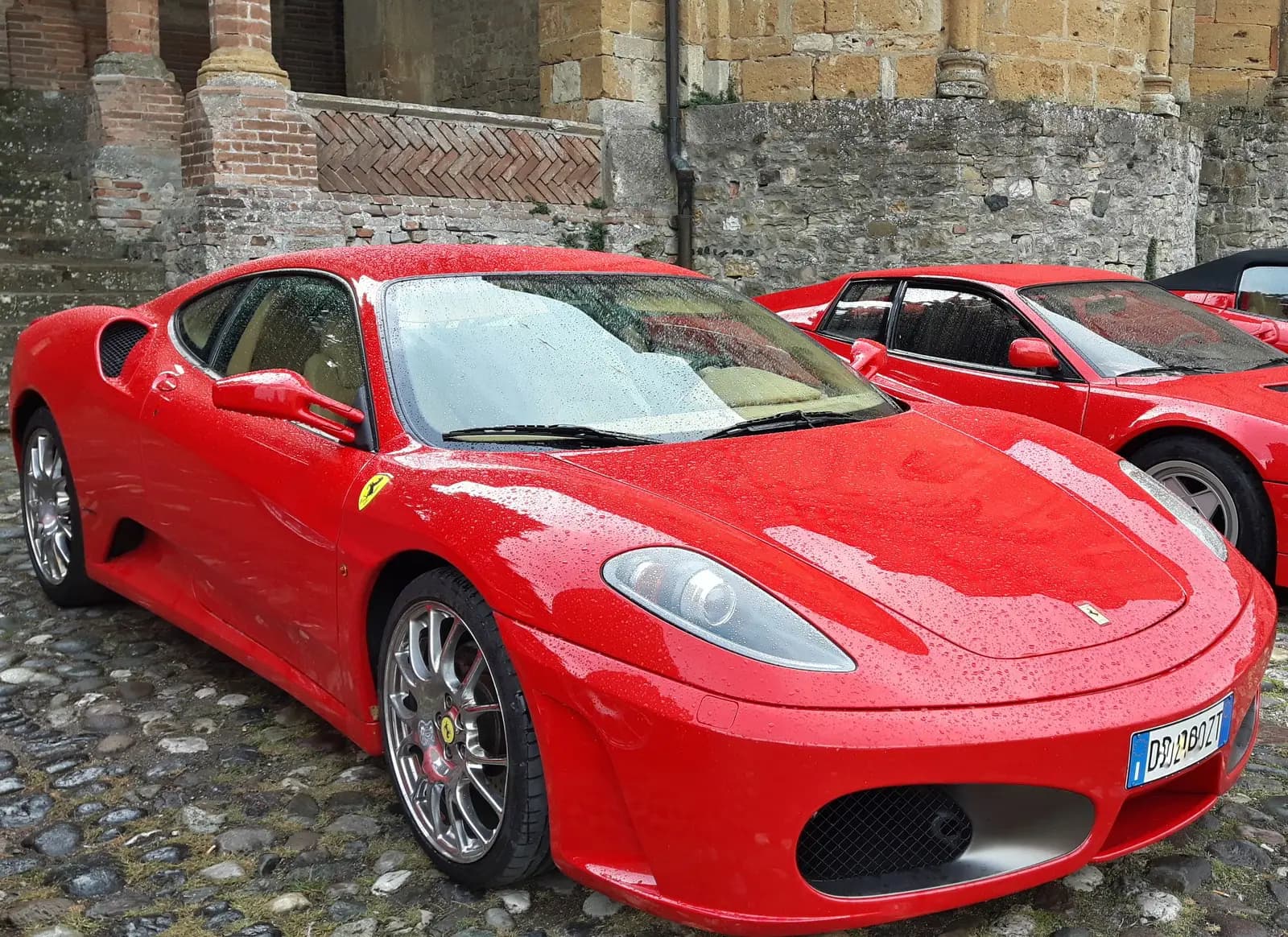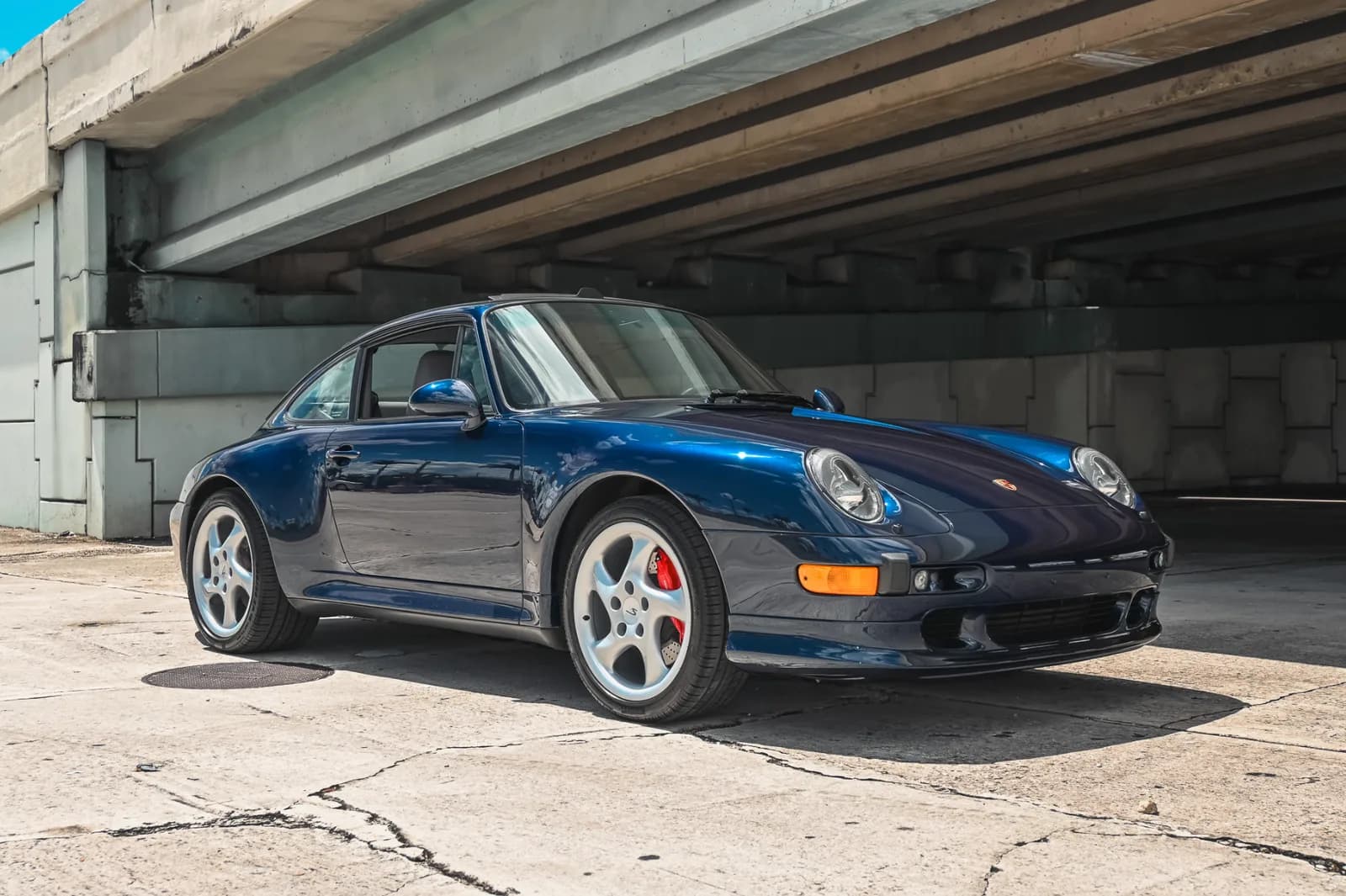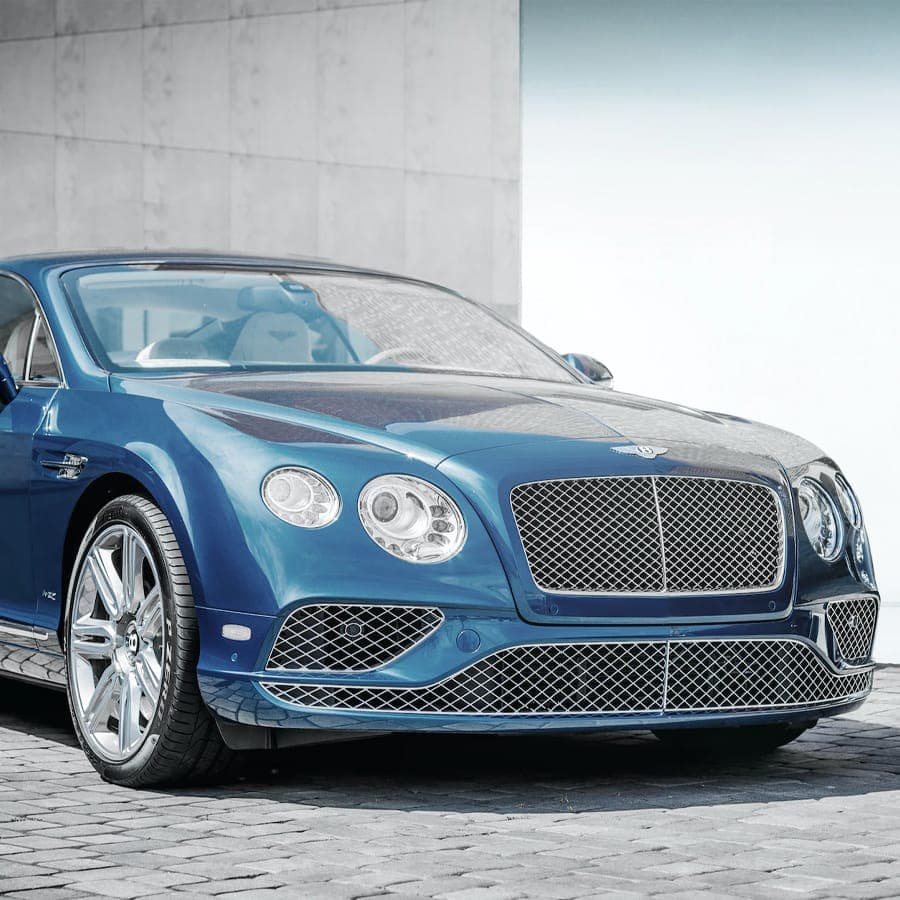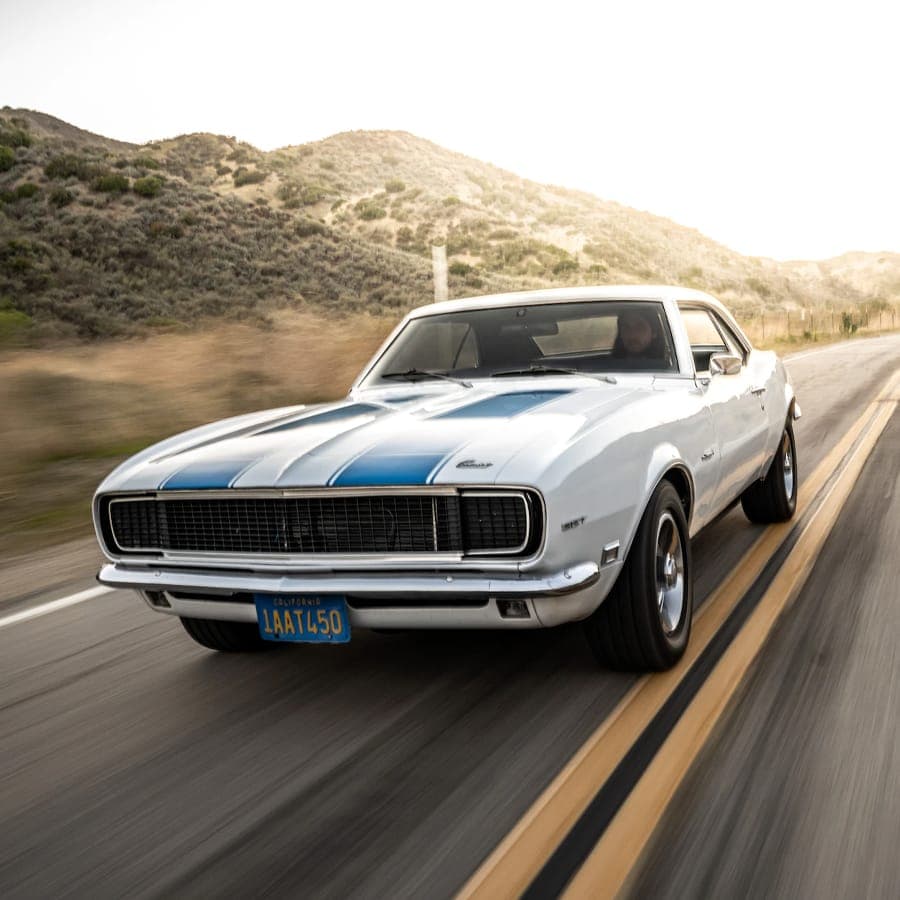
Lease for lower payments and a new car every few years, or finance to own the asset outright? For exotic, classic, and collector cars the right answer depends on mileage, how long you'll keep it, and whether the car is likely to appreciate. Here's how to choose.
When you're ready for an exotic, classic, or collector car, one of the first decisions is how to pay for it: lease or finance. Both let you drive the car without paying the full price in cash up front, but they work very differently, and the better choice depends on how you'll use the car and what you want at the end. Here is a clear, plain-English comparison of exotic and collector car leasing versus financing so you can decide with confidence.
Leasing vs. financing: the core difference
Financing is a loan to own the car. You make payments, build equity, and the car is yours to keep, sell, or refinance whenever you like. Leasing is essentially paying to use the car for a set term, usually two to four years, with lower monthly payments and the car handed back (or bought out) at the end. Owning builds an asset; leasing buys flexibility.
How financing an exotic or collector car works
Specialty exotic car financing is a simple-interest loan structured around the vehicle and how you own it:
- Simple-interest loans from around $10,000 up to $5,000,000, so both attainable sports cars and seven-figure exotics are in range.
- Flexible terms up to 180 months to keep monthly payments manageable, with no prepayment penalty so you can pay down early.
- You own the car: build equity, modify it, drive it as much as you want, and keep it as long as you like.
- Buy from anywhere: a franchise or independent dealer, a private seller, a broker, or an auction, in any state.
- Upside on collectibles: if the car appreciates, that gain is yours as the owner, which leasing can never deliver.
How leasing an exotic car works
Leasing an exotic can lower your monthly outlay and let you move into a new car every few years. It suits drivers who like rotating machines and prefer not to hold long-term. The trade-offs matter, though:
- Lower monthly payments than financing the same car, because you're paying for the depreciation over the term rather than the whole vehicle.
- Flexibility to step into a newer model every few years without selling anything yourself.
- Mileage limits: leases cap annual miles, and going over means per-mile charges, which is a real consideration for a car you actually want to drive.
- Wear-and-tear standards apply at lease end, and modifications generally aren't allowed.
- No equity: at the end you own nothing unless you exercise a buyout, so you don't capture any appreciation.
What about classic and collector cars?
Leasing is built around predictable depreciation, so it fits modern exotics far better than vintage pieces. Classic and collector cars are often stable or appreciating assets, which doesn't suit a traditional lease. For those, classic car financing, or a cash-out refinance on one you already own, is almost always the better structure because it lets you build and keep equity in a car whose value may climb.
When financing makes more sense
- You want to own and keep the car long-term.
- You expect high or unpredictable mileage and don't want per-mile penalties.
- You plan to modify or personalize the car.
- The car is a classic or collector piece that may hold or gain value.
- You value simple-interest flexibility and the ability to pay the loan down early.
When leasing makes more sense
- You want the lowest monthly payment on a given car.
- You like driving a new exotic every few years and don't want to resell.
- Your mileage is predictable and within typical lease limits.
- You'd rather not tie up equity in the vehicle.
- You're eyeing a modern exotic rather than a vintage collectible.
Lease buyout: the third path
Leasing and financing aren't strictly either-or. If you're near the end of a lease on a car you've fallen for, a lease buyout lets you keep it, and lease buyout financing turns that purchase into a simple-interest loan you can pay off on your own schedule. It's a common way enthusiasts convert a lease they love into long-term ownership.
Not sure which path fits?
Check My Fit reads your situation and flags whether financing or a lease structure is worth reviewing, in a couple of minutes, with no application and no credit pull.
Try Check My FitQuestions that decide it
- How many miles will I really drive each year?
- How long do I want to keep this specific car?
- Do I care more about a low monthly payment or the lowest total cost and ownership?
- Is this car likely to appreciate, hold, or depreciate?
- Do I want to modify it or keep it stock?
If you want to own, drive freely, or hold a car that may appreciate, financing is usually the stronger choice. If you prize low payments and swapping into new metal every few years, leasing earns its place. Still weighing whether to borrow at all versus pay cash? Our guide to financing or paying cash for a collector car covers that angle.
How Digital AutoFi helps with both
Digital AutoFi arranges both financing and lease proposals through a network of specialty financial partners, with a real person reviewing every application and title work and registration handled for you, whether you're buying from a dealer or a private seller. Get a directional read with Check My Fit, then start a secure application when you're ready, and a specialist will structure the option that fits your car and your goals.
Frequently asked questions
Is it better to lease or finance an exotic car?
It depends on your goals. Finance if you want to own the car, drive high or unpredictable mileage, modify it, or hold a collectible that may appreciate. Lease if you want the lowest monthly payment and a new car every few years within predictable mileage limits.
Can you lease a classic or collector car?
Leasing is built around predictable depreciation, so it fits modern exotics better than vintage cars. Classic and collector cars are often stable or appreciating, so financing (or a cash-out refinance on one you own) is usually the better structure.
What is lease buyout financing?
It's a simple-interest loan that pays off the residual on a lease so you can keep the car at lease end. It converts a lease you love into long-term ownership you can pay down on your own schedule.
Do exotic car leases have mileage limits?
Yes. Leases cap annual mileage and charge per mile over the limit, so a lease suits predictable, moderate driving better than heavy use.
Does financing an exotic car have a prepayment penalty?
Most specialty exotic and collector car loans are simple interest with no prepayment penalty, so paying early or paying extra reduces the interest you owe.
What credit score do I need to lease or finance an exotic car?
A score of roughly 650 or higher is recommended for most purchases; cash-out and refinance requests typically call for 680 or higher. See our guide to the credit score you need to finance an exotic or collector car for the full picture.