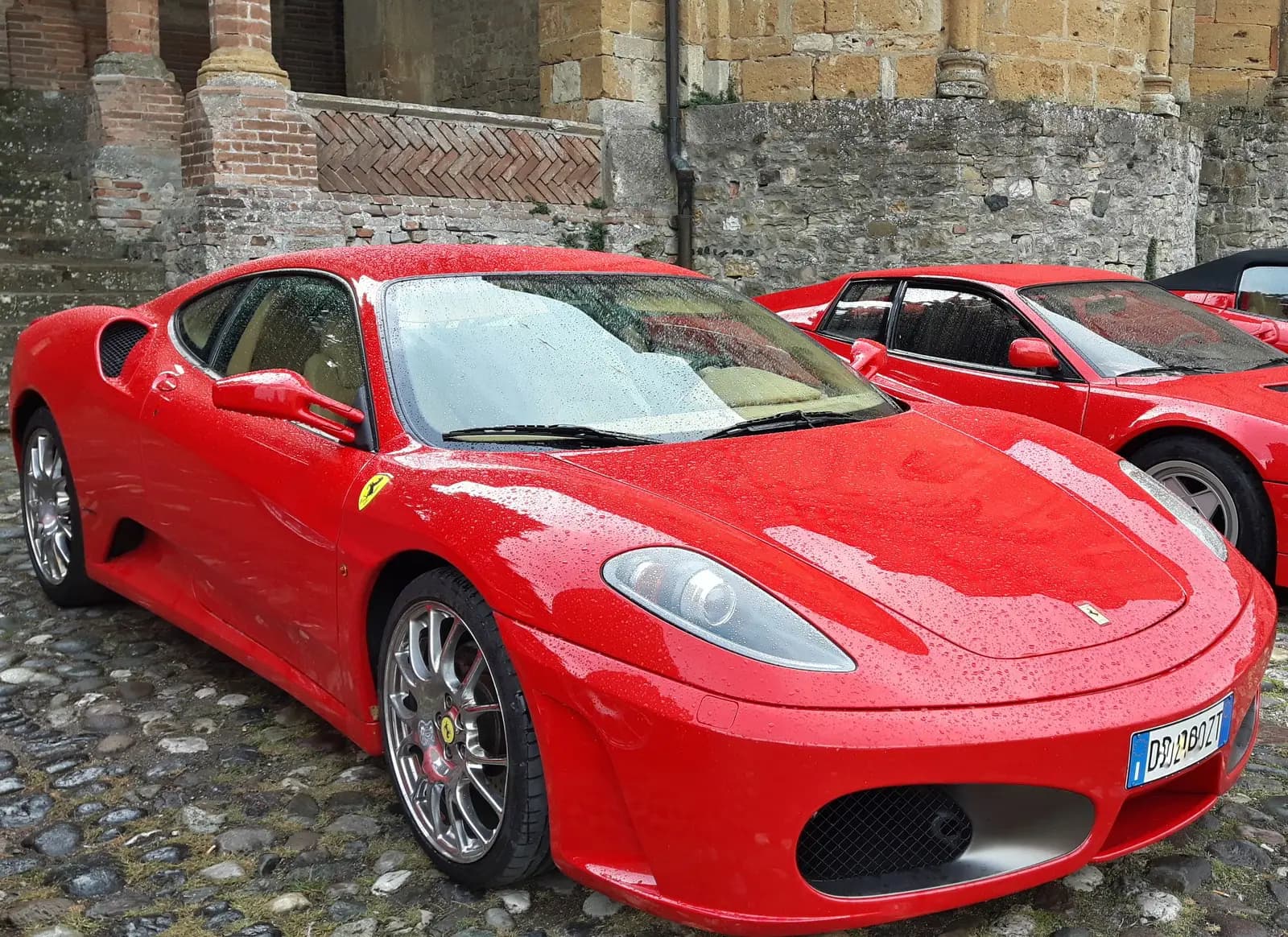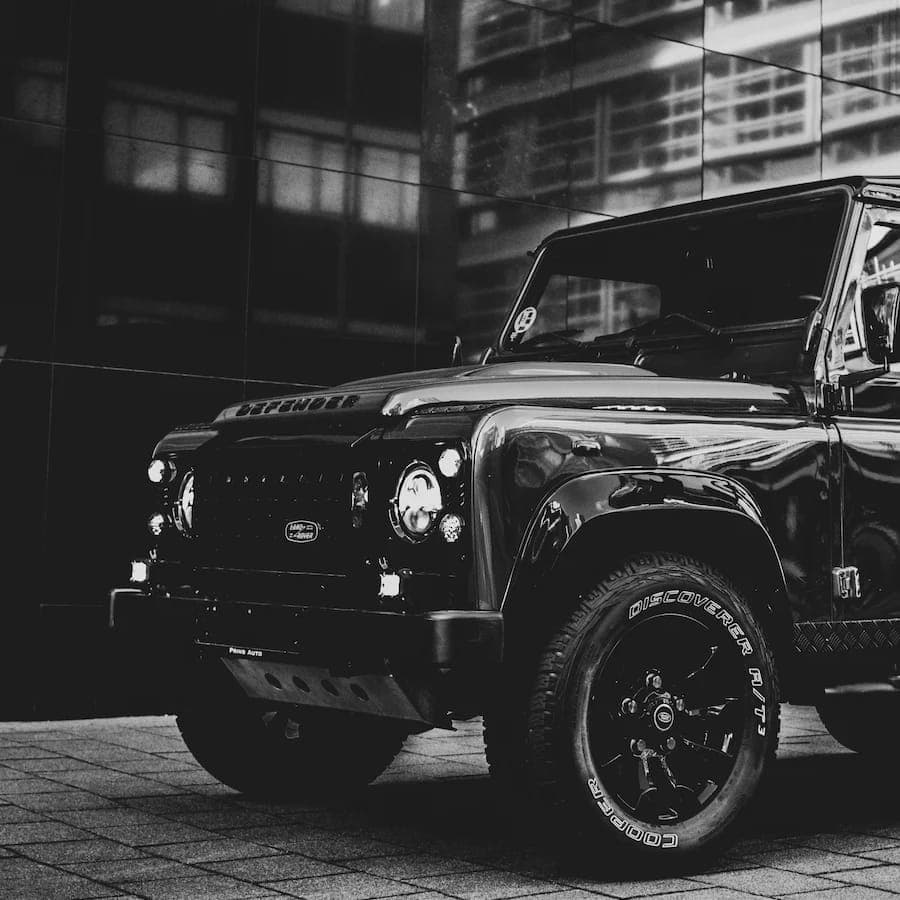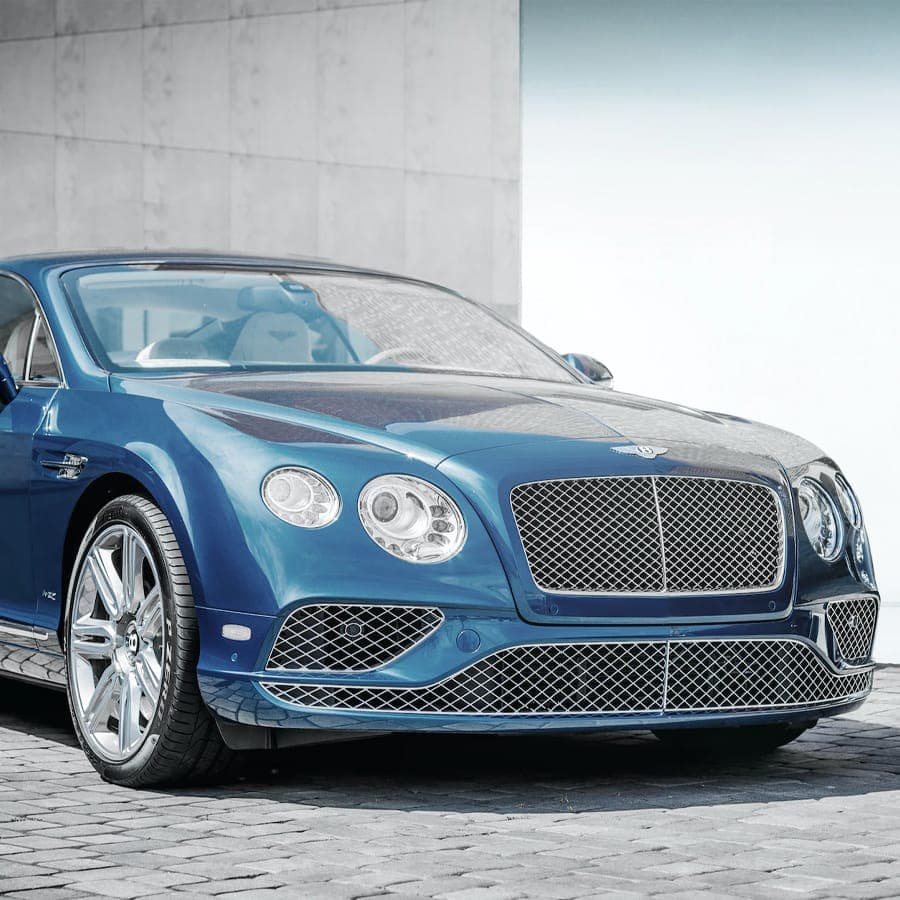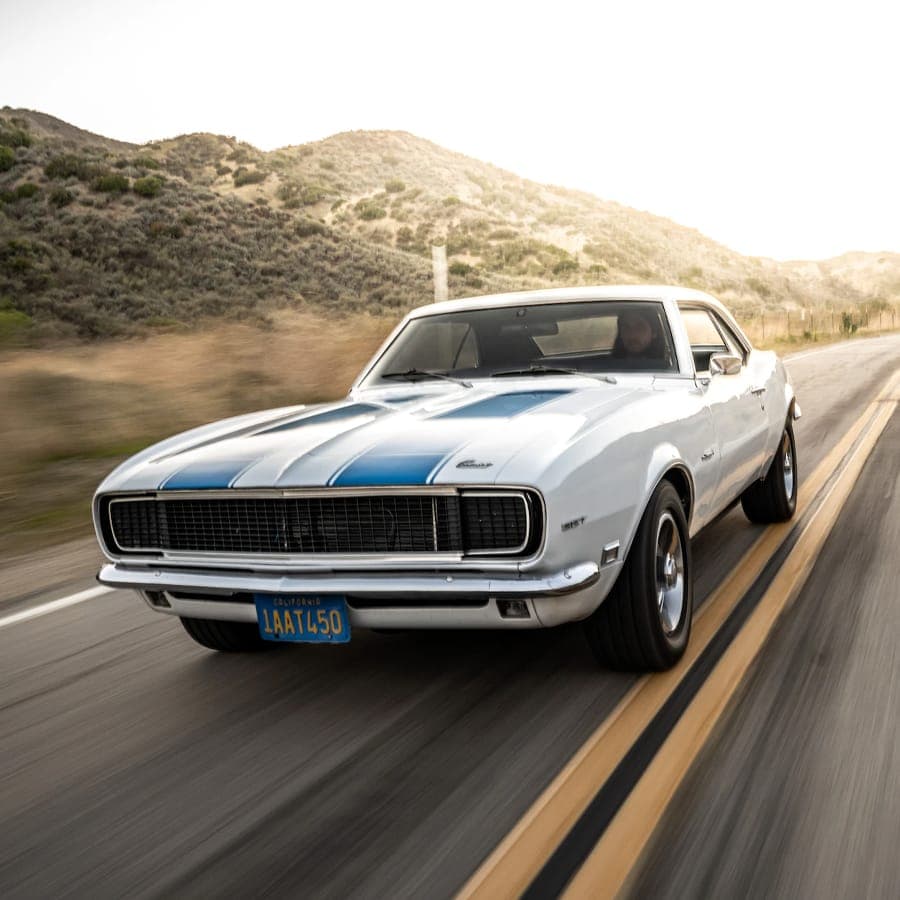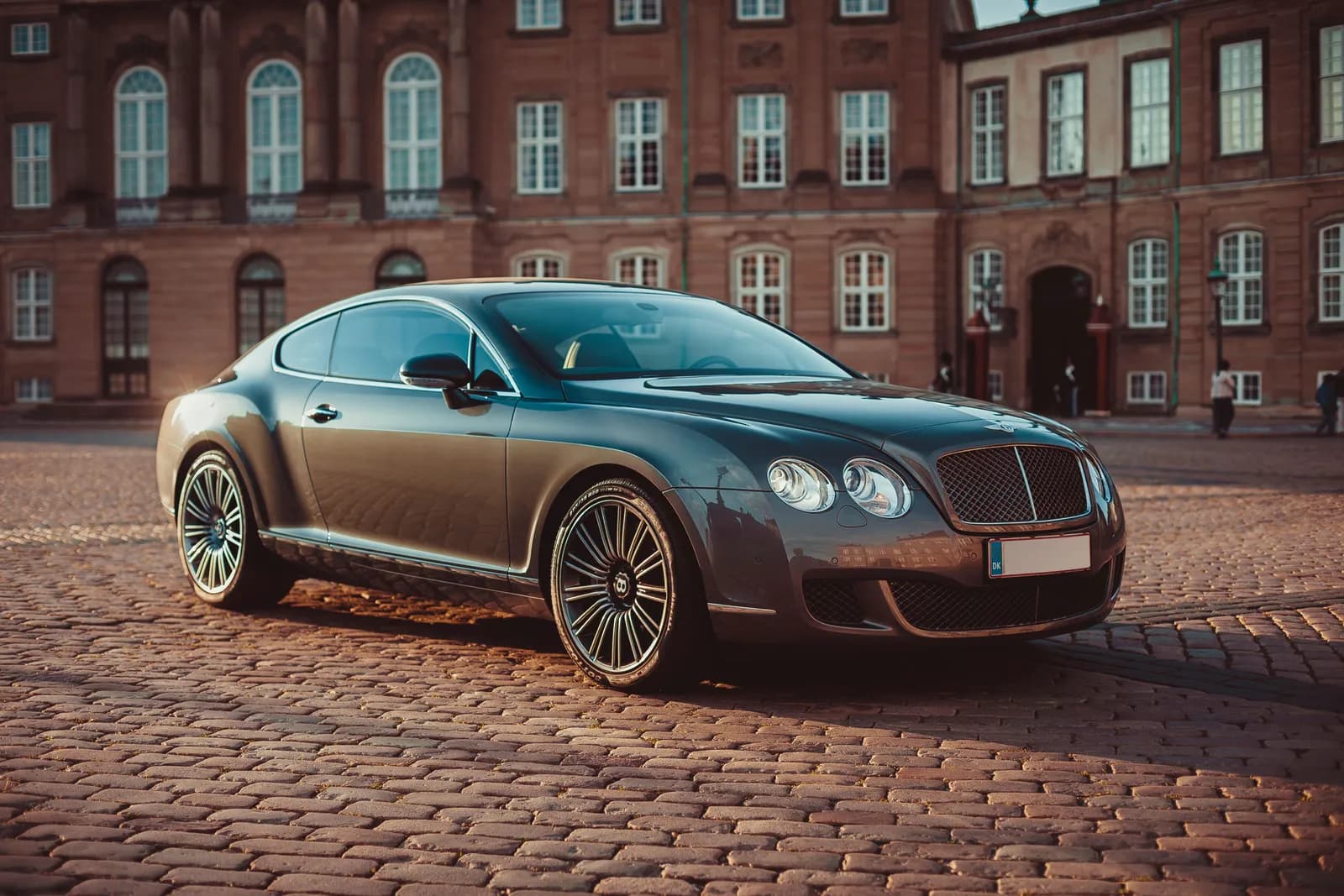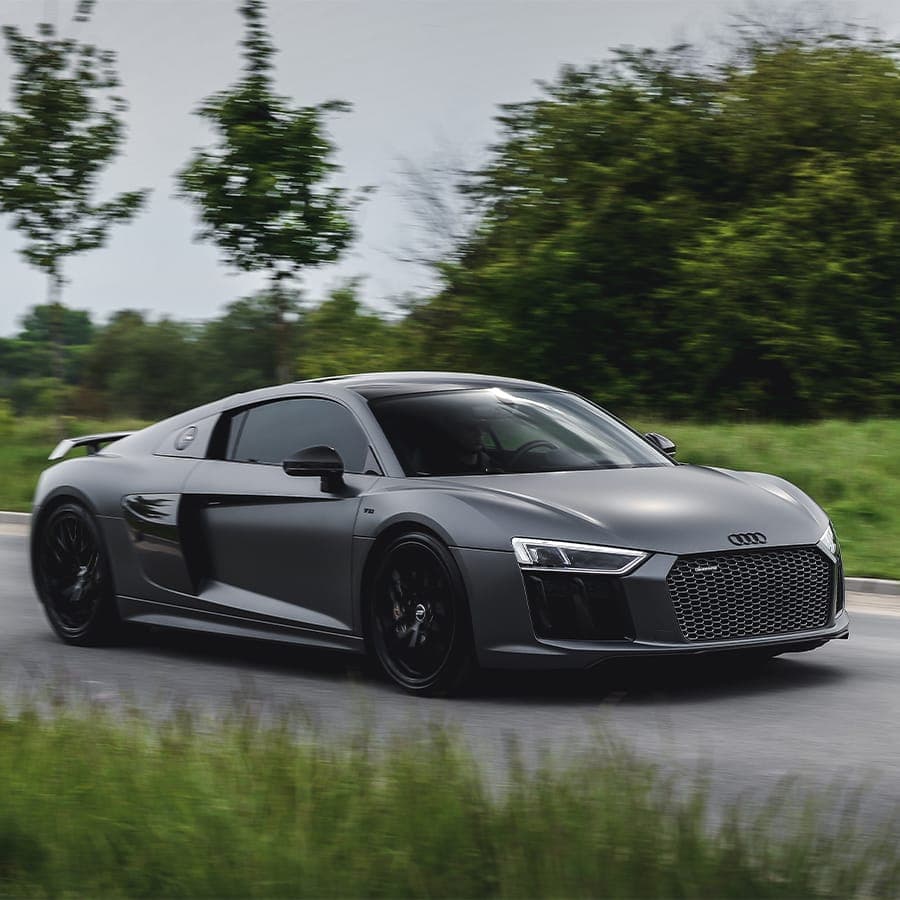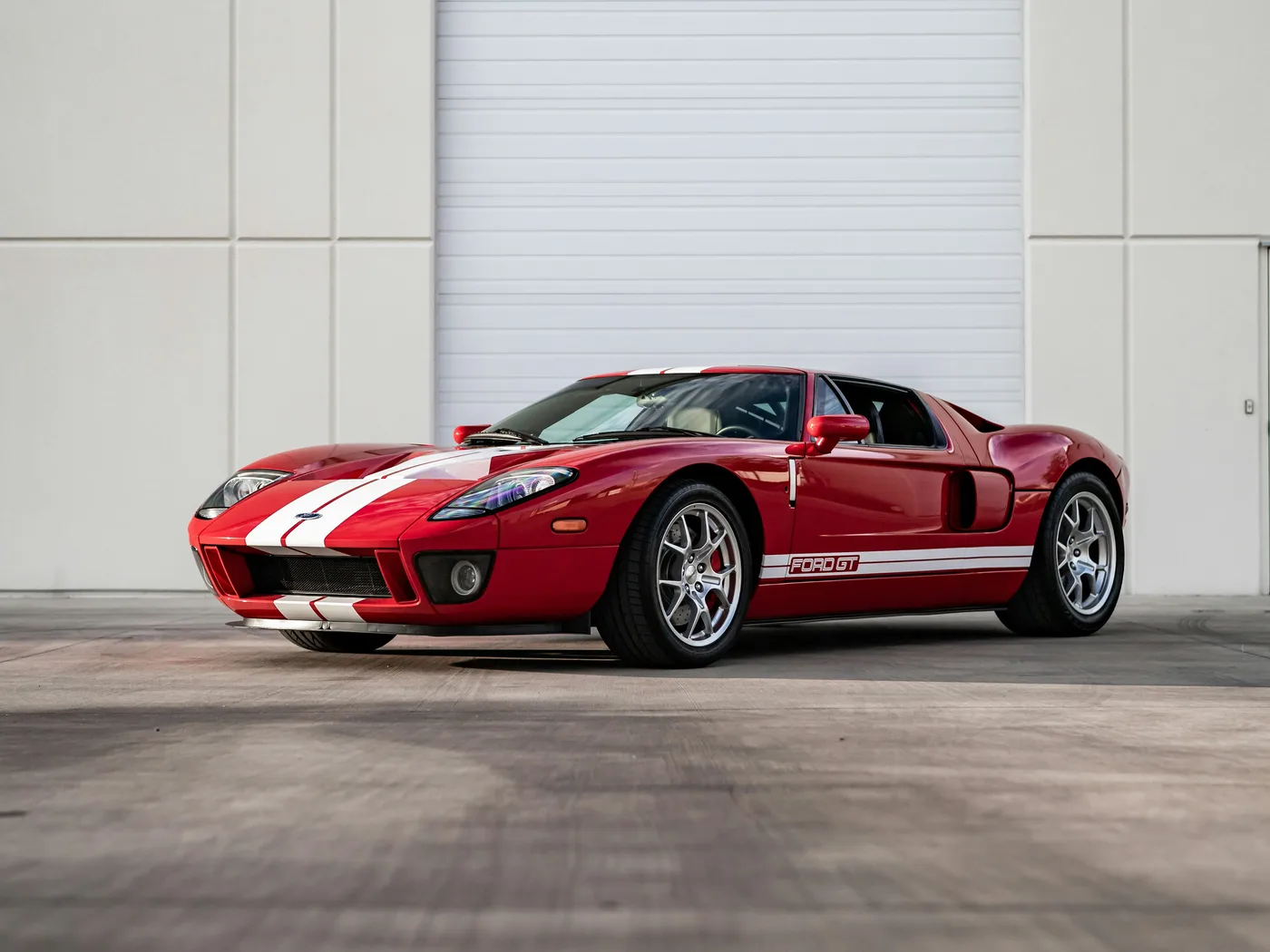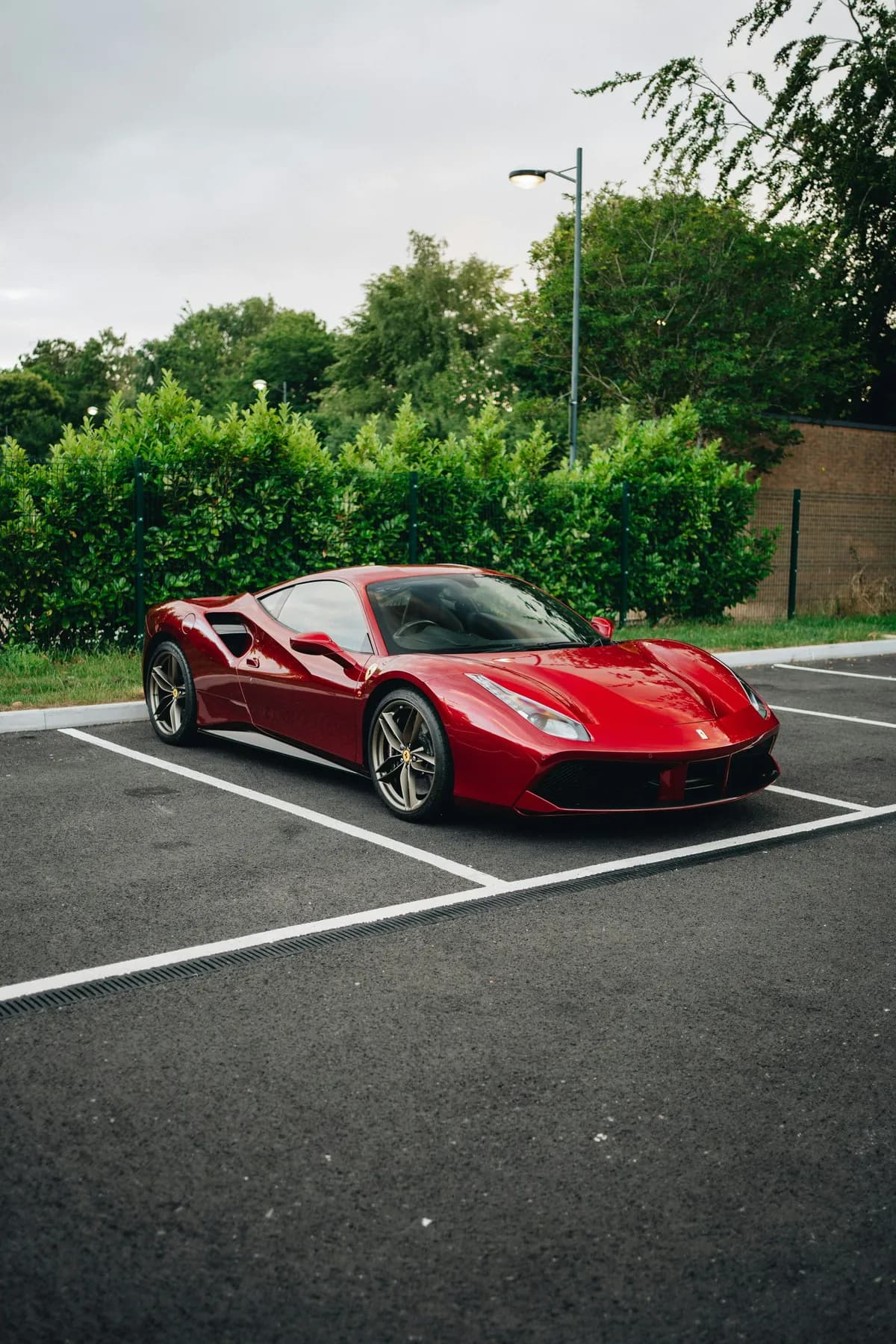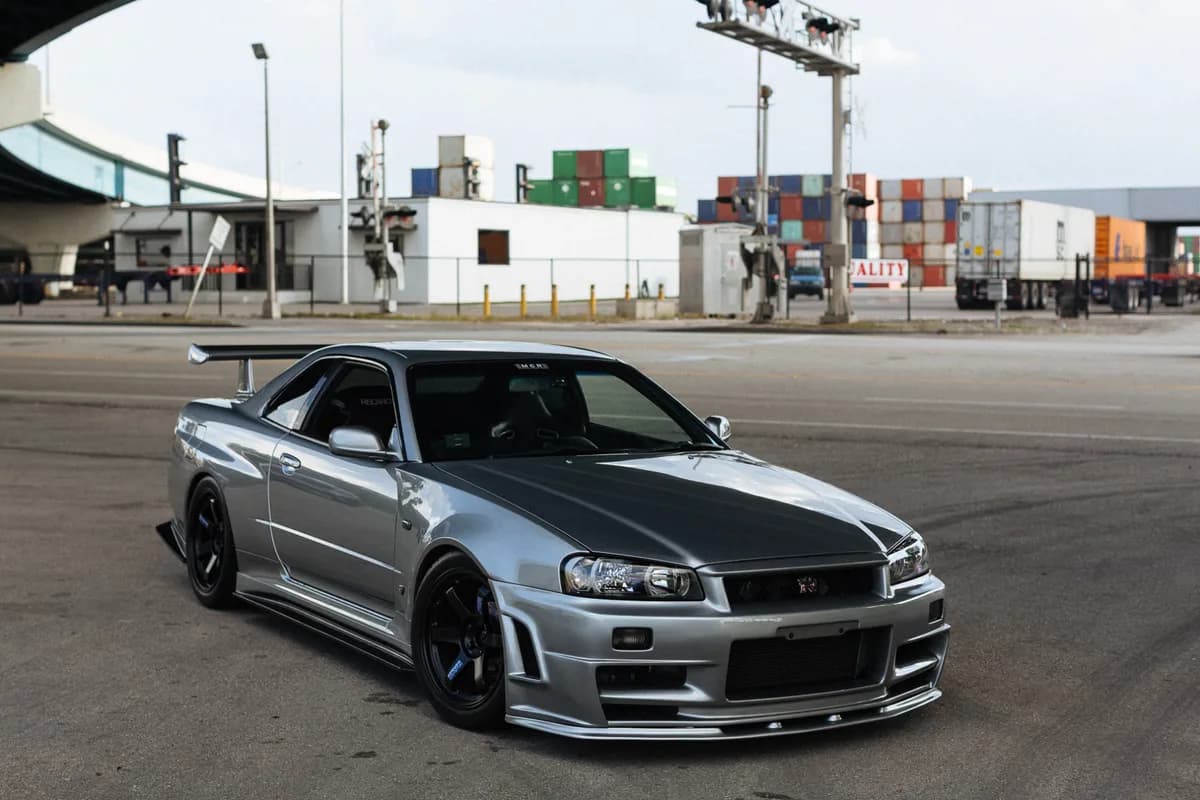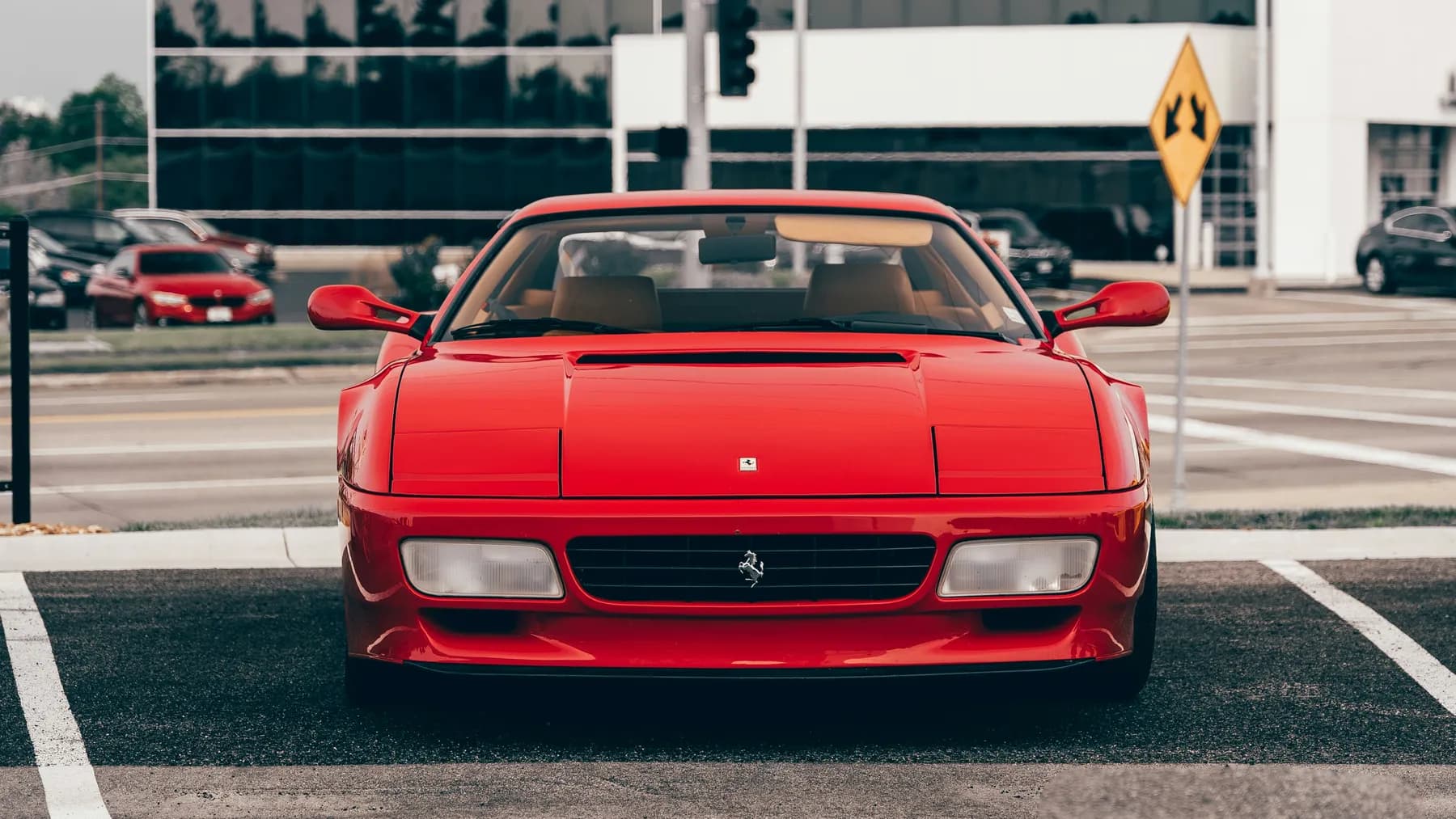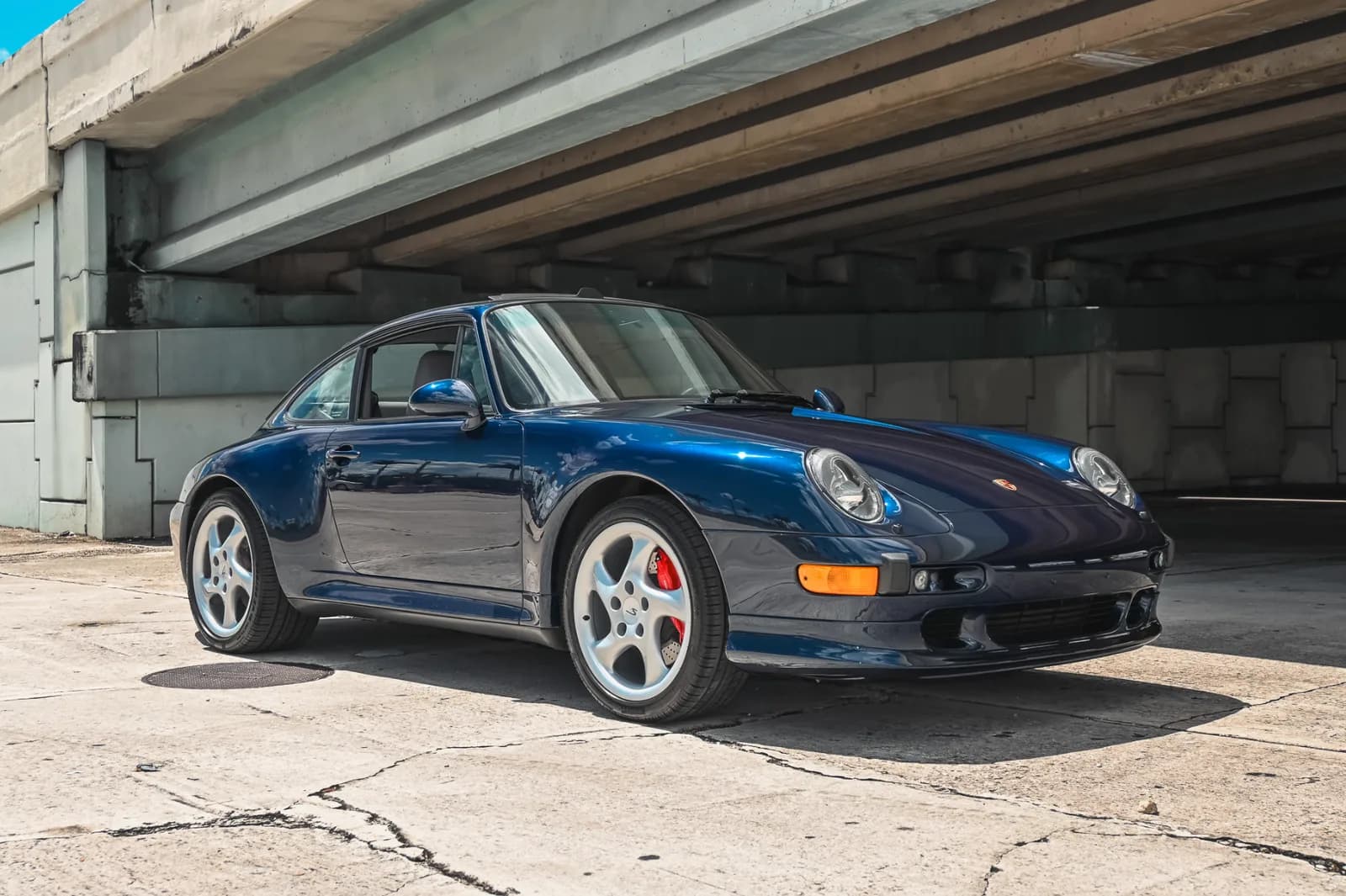
A standard auto policy may not fully protect the value of an exotic or collector car. If the vehicle is totaled, actual cash value coverage could result in a settlement that doesn't reflect its condition, rarity, provenance, or current collector-market value.
Agreed-value coverage can help close that gap. Here is how the primary valuation methods differ and why choosing the right coverage matters.
You can do everything right when purchasing a collector car and still discover that it is underinsured when you need coverage most.
Standard auto policies are generally designed for vehicles that depreciate over time. Exotic, classic, and collector cars can behave very differently. Their values may depend on rarity, condition, mileage, documentation, provenance, originality, and changing collector demand.
That is why understanding how your policy values the vehicle matters.
The three ways a policy may value your car
When a covered total loss occurs, the potential settlement depends heavily on the valuation method and the policy's specific terms. Three common approaches are actual cash value, stated value, and agreed value.
- Actual cash value: the insurer determines the vehicle's value at the time of the loss based on factors such as age, condition, comparable vehicles, and depreciation. This approach may not fully account for the characteristics that make a collector vehicle especially valuable.
- Stated value: you provide a value for the vehicle when you write the policy. However, some stated-value policies allow the insurer to pay the lesser of the stated amount or the vehicle's actual cash value. Policy language determines how a claim is settled.
- Agreed value: you and the insurer agree on the vehicle's insured value when the policy is issued. If the vehicle experiences a covered total loss, the claim is generally settled using that agreed amount, subject to the policy's deductible, exclusions, conditions, and other terms.
Why agreed value matters for exotic and collector cars
Exotic, classic, and collector vehicles do not always follow a traditional depreciation curve. Some hold their value, while others appreciate because of rarity, history, specification, condition, or collector demand.
If a vehicle purchased for $180,000 is insured under an actual cash value policy, the insurer may determine a lower value at the time of a total loss. The owner could then be responsible for the difference between the claim settlement and the amount invested in the vehicle or still owed on its financing.
An agreed-value policy establishes the insured value in advance. This can provide greater certainty and reduce the risk of a valuation dispute after a covered loss.
Agreed value vs. stated value: the critical difference
Agreed value and stated value sound similar, but they may provide very different protection.
A stated value is the amount you declare when obtaining the policy. Depending on the contract, it may represent a coverage limit rather than a guaranteed valuation. The insurer may still be permitted to settle a total-loss claim for the lesser of the stated amount or the vehicle's actual cash value.
With agreed-value coverage, both parties establish and accept the vehicle's insured value when the policy is written. A covered total loss is generally settled using that amount, subject to the remaining terms of the policy.
Always review the actual policy language. The name used to market the coverage is less important than the provisions explaining how a total-loss claim will be calculated.
How to obtain agreed-value coverage
Agreed-value coverage is commonly available through insurers that specialize in exotic, classic, and collector vehicles. Digital AutoFi's insurance resources include specialty providers such as Grundy, Hagerty, and NCM Insurance.
The insurer may request an appraisal, photographs, vehicle records, purchase documents, or other information to establish and support the proposed value.
Eligibility requirements vary, but specialty policies may include conditions such as:
- A satisfactory driving record
- Storage in a private, enclosed garage
- A separate daily-use vehicle for each licensed household driver
- Limited or pleasure-use mileage
- Restrictions on regular commuting or commercial use
Coverage terms and eligibility standards vary by insurer, vehicle, driver, location, and intended use.
What financing may require
When financing an exotic or collector vehicle, agreed-value coverage may be required as a condition of the transaction.
For applicable Digital AutoFi transactions, the insurance requirements may include agreed-value coverage, a maximum permitted deductible, and confirmation that the appropriate lienholder is listed on the policy.
These requirements help protect the vehicle owner and the secured interest in the vehicle if a covered total loss occurs. Confirm the exact insurance requirements before finalizing the transaction.
Find the right agreed-value coverage
Explore the specialty insurance providers available through Digital AutoFi's insurance resources.
View Insurance ResourcesProtect the whole investment
Agreed-value insurance is one part of protecting an exotic or collector vehicle.
A qualified appraisal can help document the vehicle's condition and market value. A pre-purchase inspection can identify mechanical or structural concerns, while a title review can help confirm ownership and uncover potential title issues.
Together, these steps help ensure that the car you purchase, the value you insure, and the protection you receive are properly aligned.
Frequently asked questions
What is agreed-value insurance?
Agreed-value insurance establishes the vehicle's insured value when the policy is written. If a covered total loss occurs, the claim is generally settled at that amount, subject to the deductible, exclusions, conditions, and other policy terms.
What is the difference between agreed value, stated value, and actual cash value?
The insurer determines actual cash value at the time of the loss. Stated value is an amount declared by the policyholder, but some policies pay the lesser of that amount or actual cash value. Agreed value establishes an accepted insured value in advance, subject to the policy's terms.
Do I need agreed-value insurance for a financed collector car?
It depends on the financing requirements, but agreed-value coverage is commonly required for exotic and collector vehicles. Confirm the required coverage, deductible, and lienholder information before finalizing the transaction.
Do agreed-value collector-car policies have mileage limits?
Many do. Specialty policies are often intended for limited or pleasure use and may restrict regular commuting or annual mileage. Requirements vary by insurer and policy.
Who offers agreed-value insurance for exotic and collector cars?
Specialty collector-car insurers commonly offer this coverage. Digital AutoFi's insurance resources include providers such as Grundy, Hagerty, and NCM Insurance. Availability and eligibility vary by state, vehicle, driver, and intended use.
Is stated-value coverage the same as agreed-value coverage?
No. A stated-value policy may allow the insurer to pay less than the stated amount, depending on the policy language. Agreed-value coverage establishes the insured value in advance, although deductibles, exclusions, and other policy terms still apply.